
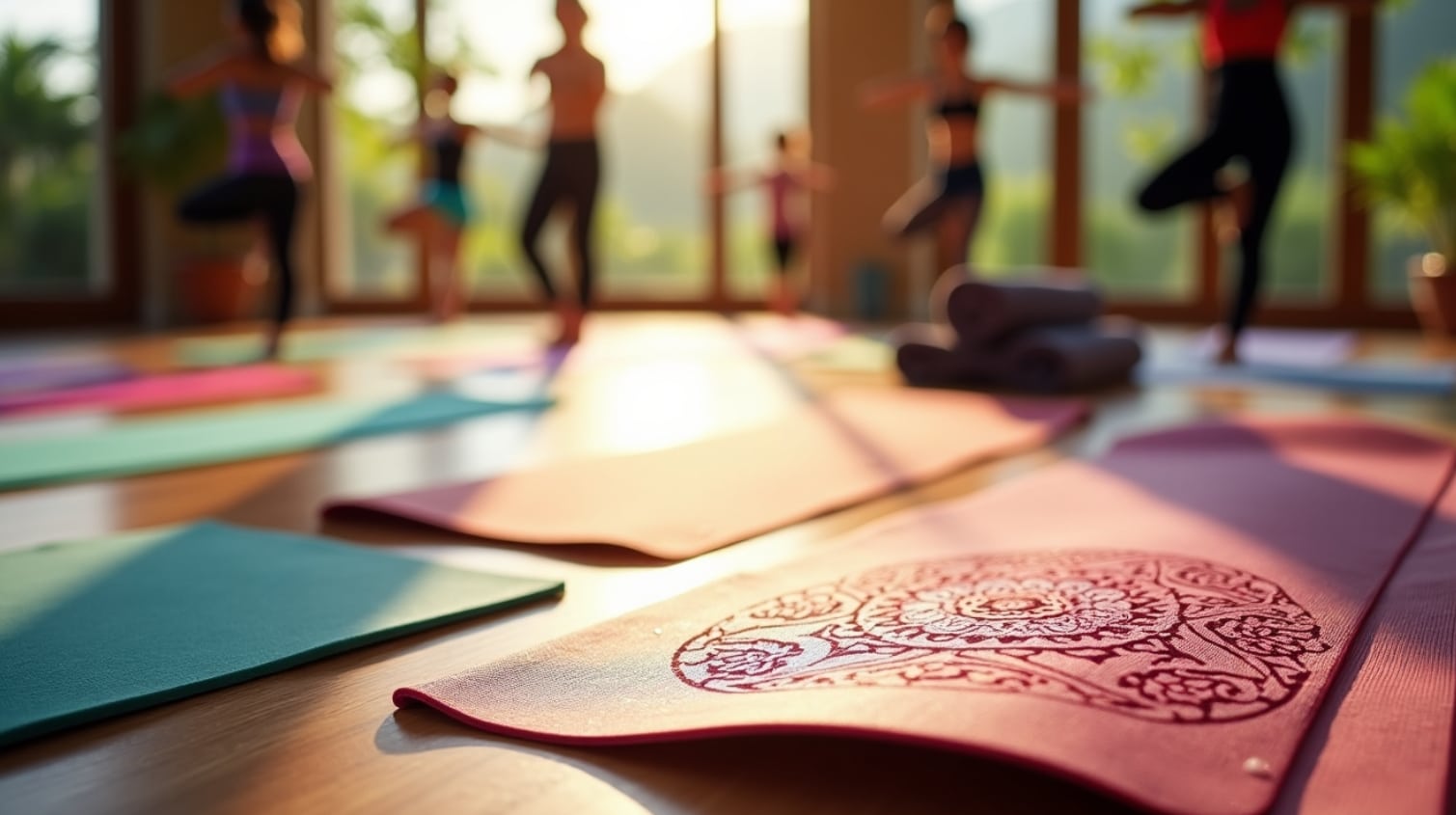
Hot yoga practitioners face a unique challenge when they need a mat that works in temperatures up to 105°F with high humidity levels. Regular yoga mats don’t grip well enough when you sweat a lot in the heat. This can lead to dangerous slips and slides during practice. A good hot yoga mat can transform your practice from a frustrating experience into a focused session.
This detailed guide gets into the best hot yoga mats you can buy in 2024. We look at important features like grip technology, sweat absorption, and durability. You’ll learn about leading brands like Manduka, Liforme, and Jade Harmony. The piece has quality details about materials, thickness options, and eco-friendly alternatives. We’ve added price comparisons and ground feedback from professional yogis and beginners to help you choose the right mat.
Table of Contents
Understanding Hot Yoga and Mat Requirements
Hot yoga practitioners face unique challenges and need specialized equipment to withstand extreme conditions. Proper mat selection is significant to maintain safety and performance during practice.
Temperature and Humidity Factors
Hot yoga sessions typically run at temperatures between 80-100°F (27-38°C) with high humidity levels. These conditions create an environment where standard yoga mats just need to work harder but often fall short. Heat and moisture together can affect your mat’s performance in several ways:
- Heat exposure damages materials over time
- High temperatures make mats less elastic
- Mats can warp and lose their shape
- Moisture creates perfect conditions for bacteria to grow
Importance of Grip in Hot Yoga
Grip in hot yoga is more than just a convenience—it’s essential for safety. You generate a lot of sweat during practice and this increases your chances of slipping, especially when you have challenging poses and transitions. A mat’s ability to maintain traction when wet is crucial to prevent injuries and help you retain control.
Your grip and performance are connected in several ways:
- Better pose stability lets you stretch deeper
- You feel more confident in balance positions
- Your energy transfers better through proper grounding
- You’re less likely to slip or make sudden movements
Material Considerations
Hot yoga conditions affect different materials in unique ways. Your mat’s material choice is vital to get the best performance. Natural rubber and PVC are top choices because they resist heat and prevent slipping. Cork mats are newer options that excel at wicking away moisture.
Key material properties to think over include:
- Heat Resistance: The material stays intact at high temperatures
- Moisture Management: The surface handles sweat buildup effectively
- Durability: The mat withstands repeated heat and moisture exposure
- Environmental Impact: Natural rubber and cork are eco-friendly options
Closed-cell construction works better than open-cell designs at the time you practice hot yoga. This design keeps excessive moisture out while helping you grip the surface. TPE (Thermoplastic Elastomer) mats handle heat well but might need extra features to give you a good grip when sweaty.
Your mat’s material choice affects how it performs in hot yoga environments. Natural rubber mats give excellent grip and cushioning, but you’ll need to clean them more often because they’re porous. PVC mats last longer and need less maintenance, but they might not grip as well as natural materials when wet.
Top-Rated Hot Yoga Mats for 2024
Our testing and research reveals these yoga mats deliver outstanding results in hot yoga conditions. Each mat shines in unique ways and meets the highest quality standards.
Best Overall: Manduka GRP
Manduka GRP series transforms hot yoga practice through its smart moisture management system. This mat comes with a leather-like top layer and provides 100% open airflow that works perfectly for heavy sweating. The mat’s charcoal-infused rubber core pulls in moisture and fights odor-causing bacteria effectively. The series offers three options:
- GRP 6mm (USD 130) – Maximum cushioning at 5.5 pounds
- GRP Lite 4mm (USD 100) – Better portability at 3.7 pounds
- GRP Adapt 5mm (USD 90) – Superior moisture absorption
Best for Grip: Liforme Original
The Liforme mat’s GripForMe® technology provides exceptional traction whether your practice is dry or sweaty. A unique eco-polyurethane top surface combined with a natural rubber base creates a unique stability that supports challenging poses. The mat’s proprietary AlignForMe® system helps users maintain proper form, and its biodegradable materials naturally break down in 1-5 years.
Best Eco-Friendly: Jade Harmony
The Jade Harmony stands out with its eco-friendly open-cell natural rubber design. Superior grip and responsiveness make this mat perfect for active yoga sessions, but you’ll need to clean it more often due to its open-cell structure. This 4.5-pound mat provides great stability and easy transport with its 74″ x 24″ dimensions and 5mm thickness. Jade shows its commitment to the environment by planting a tree through Trees for the Future with each mat purchase.
Best for Comfort: B Yoga B MAT Strong
The B MAT Strong delivers exceptional comfort with its 6mm thickness that provides superior cushioning for high-impact practices. Yoga enthusiasts who need extra joint support during intense sessions will find this mat particularly beneficial. The mat comes with these essential features:
- Superior grip technology
- Durable construction
- Oeko-Tex certification
- Anti-microbial properties
- 71″ x 26″ dimensions
Best Mat-Towel Combo: Yogitoes by Manduka
Yogitoes brings a new approach to hot yoga practice by combining mat and towel features. The patented Skidless® Technology uses silicone nubs to improve grip, and the ultra-absorbent material manages moisture well. This smart design works great during intense hot yoga sessions and provides:
- Fast drying performance
- Better grip with patented technology
- Eco-friendly construction from recycled materials
- Superior sweat-wicking ability
- Easy machine washing
| Mat Model | Thickness | Weight | Best Feature |
|---|---|---|---|
| Manduka GRP | 4-6mm | 3.7-5.5 lbs | Moisture Control |
| Liforme Original | 4.2mm | 5.5 lbs | Alignment System |
| Jade Harmony | 5mm | 4.5 lbs | Eco-Friendly |
| B MAT Strong | 6mm | 5.0 lbs | Cushioning |
| Yogitoes | 2mm | 1.5 lbs | Versatility |
Key Features to Consider
A hot yoga mat choice needs to match your practice style and must have essential features that affect both performance and durability. Knowledge of these core elements helps you pick the right mat based on your needs and how often you practice.
Slip-Resistance
The life-blood of any hot yoga mat is knowing how to maintain traction under intense conditions. Advanced grip technology has evolved by a lot, and manufacturers have developed specialized surface patterns and materials. The most effective mats use horizontal wave patterns or proprietary dot designs that improve surface contact and prevent slipping. Tests reveal that closed-cell construction provides superior grip compared to open-cell designs, especially when you have excessive moisture.
Sweat Absorption
Proper moisture management is vital to maintain grip during hot yoga sessions. Modern mats use advanced technologies to handle sweat effectively:
- Microfiber surfaces that boost grip when wet
- Charcoal-infused cores that resist odors
- Multi-layer construction that wicks moisture better
High-quality mats feature what yogis call “grip activation,” where traction improves with light moisture. This feature becomes essential when you need stability during challenging sequences.
Thickness and Weight
The right balance between cushioning and stability depends on mat thickness. These specifications will help you find your perfect match:
| Thickness | Weight Range | Best For |
|---|---|---|
| 2-3mm | 2-3 lbs | Travel, Advanced Balance Work |
| 4-5mm | 3-4.5 lbs | General Practice, Versatility |
| 6mm+ | 5+ lbs | Joint Support, Extended Sessions |
Mat thickness affects more than just comfort. Mats thicker than 6mm might make it hard to hold your balance in standing poses. Ultra-thin mats won’t protect your joints well during lengthy practices. Most hot yoga enthusiasts prefer mats between 4-5mm thick. This range gives you enough cushioning and keeps you stable on your feet.
Eco-Friendliness
Yoga mat manufacturers now prioritize environmental consciousness. They focus on eco-friendly materials and production methods. The key green features are:
- Natural rubber sourced from sustainable plantations
- PVC-free and phthalate-free construction
- Biodegradable materials that decompose in 1-5 years
- Zero-waste packaging initiatives
The most earth-conscious mats are made from natural rubber, cork, or recycled materials that deliver high performance. Companies like Jade Yoga plant trees to balance their environmental footprint. These programs show that sustainability doesn’t compromise quality in modern yoga mat production.
Your choice of materials affects both environmental impact and performance. Natural rubber gives you excellent grip and lasts long while being biodegradable. Cork naturally fights microbes and grips better when wet. These materials work great in hot yoga settings where synthetic materials might break down faster under harsh conditions.
New advances in eco-friendly mat technology create materials that perform well and protect the environment. Natural rubber mats now come with closed-cell construction to resist bacteria. Surface treatments improve grip without adding synthetic chemicals.
Comparing Price Points
Quality yoga equipment investment relates directly to performance and durability, especially when you have the intense demands of hot yoga. You can make informed decisions about your budget and needs by understanding different price points and their value.
High-End Investment Mats
The highest tier of quality and innovation in premium hot yoga mats costs between $100 to $200. The Liforme Original costs $149.95 and showcases this category with its proprietary arrangement system and premium construction. These premium mats provide:
- Advanced moisture-management technology
- Extended durability (often lasting 5+ years)
- Detailed warranty coverage
- Premium eco-friendly materials
The Manduka PRO series costs between $108 to $146 and shows how a higher investment brings long-term value through superior durability and performance in intense conditions.
Mid-Range Options
Quality and affordability come together nicely in the $40 to $100 range that gives you excellent value without premium pricing. This price bracket has several highly-regarded options:
| Brand | Model | Price | Key Value Feature |
|---|---|---|---|
| Manduka | eKO | $88 | Eco-friendly construction |
| Jade | Harmony | $79.95 | Natural rubber grip |
| B Yoga | B MAT Strong | $68 | Enhanced durability |
Mid-range mats deliver performance similar to premium options. They only skip premium features like alignment systems or specialized surface treatments. The Manduka eKO stands out at $88 as a great value choice that combines professional-grade performance with eco-conscious materials.
Budget-Friendly Choices
You can find good quality hot yoga mats in the $20-40 range, though you need to know what you’re giving up. Gaiam’s simple lines start at $21 and work well enough for beginners or people who practice now and then. Smart shoppers can save money through:
- Seasonal sales from premium brands
- Simple models from well-known manufacturers
- Starter mats from new brands
The BalanceFrom All-Purpose mat at $26 shows that affordable options can work well enough if you’re just starting your yoga experience. But these budget mats need replacement more often, sometimes after just 3-6 months of regular use.
The link between price and performance really shows up in hot yoga, where material quality affects grip and durability by a lot. The Jade Harmony ($79.95) costs more upfront, but its longer life makes it better value over time. The Manduka eKO hits the sweet spot with professional-grade performance at a reasonable price.
Prices change with seasons, and many brands offer big discounts during major shopping events. You can get high-end mats at mid-range prices if you time your purchase right, especially if you don’t mind last season’s colors or models.
Your practice frequency and intensity should guide your spending. People who do hot yoga often get more value from premium mats, while occasional yogis might do just fine with mid-range options. The trick is to match what you spend with how much you’ll use the mat and what you need it to do.
User Reviews and Experiences
Ground experiences teach us a lot about yoga mat performance in hot yoga practice. Both experienced instructors and beginners share their points of view about durability, grip performance, and overall value through their firsthand accounts.
Professional Yogi Recommendations
Professional yoga instructors who teach multiple hot yoga classes daily have learned a lot about how mats perform in intense conditions. Their hands-on testing shows that premium mats are worth their higher price tags because they last longer and perform better consistently.
A seasoned instructor with more than 1,000 hours of hot yoga teaching experience praises the Manduka GRP’s excellent sweat management: “The mat’s charcoal-infused core effectively absorbs sweat while maintaining grip, eliminating the need for additional towels during even the most intense sessions.”
Professional instructors value these key features:
| Feature | Professional Assessment | Long-term Value |
|---|---|---|
| Grip Development | Gets better with use | Better safety |
| Moisture Control | Performs consistently | Less maintenance |
| Material Durability | Stays intact | Affordable |
| Surface Texture | Gives reliable traction | Better technique |
Teaching professionals praise the Liforme Original’s arrangement system because it helps students keep proper form during tough poses. Many instructors point out that the mat’s surface gets better at managing moisture over time. In stark comparison to this, lower-quality options break down with regular use.
Expert practitioners stress that proper mat care matters a lot, especially when you have hot yoga environments. The Jade Harmony grips excellently but needs more frequent cleaning because of its open-cell construction. Yet this extra care leads to a longer mat life and steady performance.
Beginner Hot Yoga Practitioner Feedback
New hot yoga students face several challenges when picking their first specialized mat. Their stories can help others who are starting their yoga trip. New practitioners commonly share these findings:
- The time needed to adjust to grip changes based on mat type
- Better mats help reduce anxiety in early practice
- The right thickness builds confidence
- Mat weight makes a difference in carrying convenience
New hot yoga practitioners often say the Gaiam Sol Dry-Grip makes a great first specialized mat. “The immediate grip security allowed me to focus on poses rather than worrying about slipping,” says one beginner after their first month of practice.
Beginners with sensitive joints really like the B Yoga B MAT Strong. Its extra cushioning helps during long holds without making the mat unstable. But some new users talk about getting used to its weight and suggest thinking over storage and carrying needs.
User feedback shows how important mat break-in periods are. The Manduka eKO feels slicker at first but gets better grip after a few sessions. This change in performance makes many beginners suggest borrowing or renting mats before spending too much money.
Temperature changes affect mat performance by a lot, according to new practitioners. Many say mats that work well in mild heat might not do as well in hotter classes. The Yogitoes by Manduka’s mat-towel combo is popular among beginners dealing with these changes.
New hot yoga practitioners point out practical things often missed in technical reviews:
- Mat’s color shows how much you sweat
- Surface texture helps with balance pose confidence
- Curling edges can make transitions unsafe
- New mat smell takes different times to go away
Different mat materials need time to get used to. Jade Harmony’s natural rubber mats need an adjustment period, but beginners end up happier once they adjust. Synthetic mats feel better right away but might not last as long.
Cleaning needs catch many newcomers off guard, especially with how often they need to clean their mats. People love Manduka GRP’s charcoal-infused core because it reduces smells, though some beginners find it hard to justify the price without prior experience.
Students moving from regular to hot yoga notice a big difference in what they need from their mats. Hot practice is more demanding and standard mats often disappoint quickly. This pushes many to buy better mats, with lots of people saying Liforme Original’s steady performance justifies its higher price.
Beginners appreciate mat stability especially when they practice fundamental poses. The B MAT Strong’s spacious dimensions earn high praise from users, though its weight makes regular transport a bit challenging. Yogis need to think over this balance between stability and portability when establishing their practice routine.
Conclusion
Picking the right hot yoga mat is a vital investment that affects your safety and practice quality. Your mat’s performance under demanding conditions depends on its material, grip technology, and how well it handles moisture. The thickness and weight affect how easily you can carry it and how comfortable it feels. High-end mats like the Manduka GRP and Liforme Original last longer and perform better, though quality mid-range options work well for yogis of all levels.
The best mat for you depends on how intense your practice is, your environmental values, and what you can afford. Professional yogis often see the value in premium mats that offer advanced features and last longer. Beginners might want to start with reliable mid-range options that balance performance and cost. Taking good care of your mat makes it last substantially longer at any price point, which makes even expensive mats an affordable choice for dedicated yogis who practice regularly.
FAQs
What is the top yoga mat recommended for hot yoga?
The Jade Harmony Mat is highly recommended for hot yoga due to its performance and quality. Other notable mentions include The Kind Mat by Vernice Vita for prenatal or restorative yoga, YOGO’s Travel Mat for traveling, and the Manduka eKo Lite Mat as the best overall.
What thickness is ideal for a yoga mat used in hot yoga?
For dynamic forms of yoga like hot yoga, a thinner and denser yoga mat ranging from 3mm to 4mm in thickness is preferable. This thickness helps in maintaining stability and balance during vigorous poses.
Is a specialized yoga mat necessary for hot yoga?
While a variety of yoga mats can be suitable for different styles, including hot yoga, the choice often depends on personal preferences. Most standard yoga mats are adequate, but specific features like sweat absorption and grip might influence your decision.
How suitable is the Manduka PRO for hot yoga?
The Manduka PRO mat is versatile for various yoga practices. However, its performance in wet conditions is moderate. For hot yoga, where sweat is more prevalent, mats like the Lululemon The Mat might be more effective due to their excellent sweat absorption and maintained stickiness when wet.
Between Manduka and Lululemon, which brand offers the best yoga mat?
Both Manduka and Lululemon provide high-quality yoga mats. The choice between them would depend on specific needs such as sweat absorption for hot yoga, where Lululemon might have a slight edge, or overall versatility, where Manduka could be preferable.
