
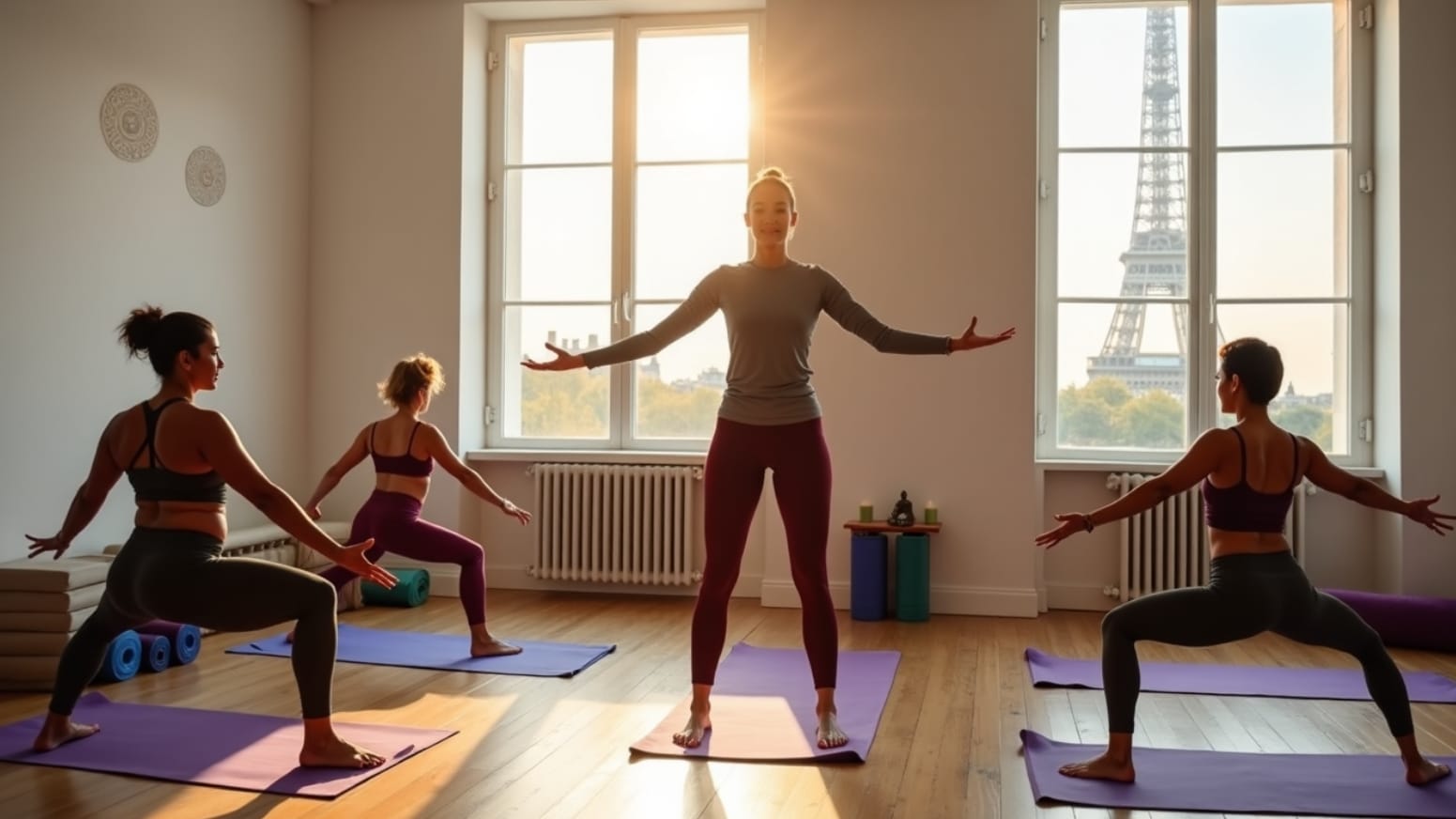
A career as a yoga instructor in France comes with great earning potential. New teachers start at €1,700 per month, and experienced instructors can earn up to €2,300. Specialized forms like aerial or therapeutic yoga can command even better rates between €50 to €70 per session.
The yoga teaching scene in France grows faster each year. Metropolitan areas like Lyon offer above-average instructor salaries that exceed the national baseline. The 200-hour teacher training programs range from €2,600 to €3,950. These programs come in different formats – from intensive 5-week courses to 6-month weekend sessions.
This piece will show you the essential steps to become a yoga instructor in France. You’ll learn about choosing the right certification program, understanding salary expectations, and building a successful teaching career. Your path could lead to teaching at established studios or starting your own practice.
Table of Contents
The French Yoga Landscape in 2025
The yoga sector in France has changed dramatically over the last several years, creating many opportunities for qualified instructors. The French yoga market has established itself as one of the most important players in Europe’s wellness industry by 2025, with unique characteristics that make it different from other countries.
Current trends in the French yoga market
The French yoga landscape has grown substantially. The national market generated an impressive USD 2,004.8 billion in 2023 and experts project it to reach USD 3,273.1 billion by 2030. This remarkable growth shows how French people increasingly embrace yoga as both a physical practice and lifestyle choice.
The offline yoga scene still dominates in France with 73.41% of the market revenue share, even as digital fitness solutions gain popularity worldwide. Online yoga courses are becoming the fastest-growing delivery mode, and many practitioners and instructors now prefer a hybrid approach.
Yoga has grown beyond simple exercise into a detailed wellness experience. French yoga now includes:
- Large-scale gatherings under iconic landmarks like the Eiffel Tower and Le Grand Palais
- Luxury yoga retreats that offer immersive experiences with raw food meals, Ayurvedic considerations, and nature experiences
- Collaborative events where yoga teachers work with musicians and DJs to create unique movement and sound experiences
On top of that, French yoga practitioners spend about 522 euros yearly on their practice, with classes taking up the largest portion. This shows great earning potential for qualified instructors who build a loyal student base.
Popular yoga styles in France
France offers an expanding variety of yoga styles that cater to different priorities and needs. French yoga classes take a gentler approach compared to those in the United States, which reflects their unique fitness philosophy.
Hatha yoga remains the foundation for many French practitioners and is available to beginners. Yin yoga has become exceptionally popular recently, and many studios now offer hybrid Yang-Yin classes that balance active and passive practices. This love for Yin-based practices sets the French market apart from other European countries.
French yogis regularly practice Vinyasa, Ashtanga, Iyengar, and Jivamukti alongside these core styles. Paris’s yoga scene now matches New York’s in variety and availability, while keeping distinct French cultural elements in teaching approaches.
Specialized studios have popped up across major cities, with Paris leading the way. French practitioners can now try any style they want, from hot yoga at international chains like Modo to specialized Jivamukti centers that include breathwork and chanting.
Growth projections for yoga instruction
Yoga instruction in France looks exceptionally promising through 2025 and beyond. The market should grow at a compound annual growth rate (CAGR) of 7.3% from 2024 to 2030, which means sustained work for qualified teachers.
This growth outpaces many other sectors and makes yoga instruction an attractive career choice. The combined Pilates and yoga studios market in Europe should reach USD 71,156.60 million by 2030, growing at an impressive 13.0% CAGR.
The yoga classes segment shows the highest growth trajectory in this market, with a projected CAGR of 13.8% from 2021 to 2030. More health awareness and the growing need for active, healthy lifestyles across Europe drive this rapid expansion.
France makes up just 1.9% of the global yoga market, but this number should increase as more French citizens add yoga to their wellness routines. The country values mindfulness practices, and government support for preventative health initiatives creates perfect conditions for yoga instruction to grow nationwide.
These market conditions give aspiring yoga instructors in France great opportunities to build lasting careers. This applies especially to those who can adapt to new trends like specialized classes for different groups and combine digital teaching platforms with traditional in-person instruction.
Essential Qualifications and Certifications
The path to becoming a yoga instructor in France needs you to understand both international standards and local requirements. Teaching yoga in France doesn’t need one specific qualification, but the right certifications will improve your credibility and job prospects by a lot.
Yoga Alliance recognized programs in France
Yoga Alliance certification stands as the worldwide gold standard for yoga instructors, and French yoga schools offer several ways to get this international credential. Many French yoga schools now provide Yoga Alliance accredited training programs. These certifications give you detailed education in yoga philosophy, anatomy, physiology, pranayama, asanas, and meditation techniques.
Most people start with a 200-hour yoga teacher training course that follows Yoga Alliance guidelines. These programs stick to international standards, which makes them a great way to get qualified if you want to teach outside France or at studios that need this credential.
French Yoga Alliance programs come in different formats:
- Residential retreat-style trainings in beautiful locations like Chamonix Mont Blanc
- Paris-based certification programs that offer city convenience
- Hybrid models that mix online and in-person instruction
Programs offer Yoga Alliance International Certification in 200-300-500 hour formats. This lets you build your training step by step. Many prominent studios and wellness centers see this certification as their basic requirement.
French-specific yoga certifications
France has created its own yoga certification system alongside international credentials. The French Federation of Yoga and other professional groups offer different certification paths that some studios or local authorities prefer.
France’s certification system isn’t strictly standardized, so you don’t need one specific diploma to teach. Schools, community centers (mairies), and sports clubs usually ask for some type of recognized qualification.
Qualiopi certification has become important. Some teacher training programs now offer it with Yoga Alliance credentials. This French certification shows that the program meets national quality standards for professional training.
Programs with both Yoga Alliance and Qualiopi certification prepare you with:
- Yoga-specific anatomy and physiology knowledge
- French laws about professional setup
- Business basics for independent teachers
Language requirements and cultural considerations
Non-French speakers face their biggest challenge with language skills. English-speaking yoga communities exist in big cities, especially Paris, but real career growth usually needs French language skills.
Most French yoga teacher training happens in French, though you can find translations in English and other languages. Some specialized programs combine French lessons with yoga practice.
These immersion experiences teach you yoga terms while you develop teaching skills. Teaching in French helps you practice the language in your work setting.
French yoga’s cultural side matters too. French yoga often mixes physical and philosophical elements, like Jivamukti style that combines exercise with spiritual teachings. Understanding these details helps you connect better with French students.
French yoga students often like traditional elements such as Sanskrit chanting and references to ancient texts like Patañjali’s Yoga Sutras. Training programs that cover these cultural aspects prepare you well for teaching in France.
Top Yoga Teacher Training Programs in France
Looking for the perfect yoga teacher training in France? You’ll find plenty of options that fit different yoga styles, budgets, and priorities. There’s no single path you must take – you can choose from many programs that blend international standards with French flair.
Paris-based certification options
The capital city has several prestigious yoga teacher training programs for aspiring instructors. Ashtanga Yoga Paris runs a well-known 200-hour training that focuses on the Primary Series and builds solid foundations for any dynamic asana practice. Their five-week intensive course runs Monday through Friday with weekends off and has a valuable 3-month unlimited pass to studio classes plus 6-month access to online materials. The program costs between €2,600 (early bird) and €2,950, which is quite reasonable for Paris-based training.
Yoga Center du Marais is another great Paris option with a more spread-out training format that runs for 6 months on weekends. Students love its family-like atmosphere that lets them work while training. For €2,600-€2,800, you get unlimited studio access throughout the training period. You’ll need to attend at least one class weekly beyond training weekends.
Residential retreat training programs
Residential retreat programs are perfect for anyone who wants a focused environment away from daily distractions. My Yoga People in Chamonix runs an amazing 25-day residential training where you can see Mont Blanc from both your room and yoga shala. They help you develop your unique teaching voice from week one. A typical day lasts 12 hours with breaks for meals and self-study. Prices range from £1,850 to £2,550 depending on your accommodation choice.
Down in southern France, Yoga Cara runs an intensive 15-day residential certification in an 18th-century manor farmhouse in St Priest Ligoure. They keep classes small with just 18 students per program. This training helps you grow personally while developing teaching skills for €3,595-€3,995. Awake Space also offers 2-week intensive programs throughout 2025 in various locations. You can choose shared accommodations starting at €1,599 or private rooms with en-suite bathrooms for €2,999.
The BloomYoga certification in Bayonne, South West France follows Yoga Alliance standards and focuses on teaching Hatha yoga fundamentals. Several programs in the Ardèche region give you traditional ashram-style living experiences.
Online and hybrid certification paths
French yoga schools now adapt to flexible learning needs with hybrid training models. Sana Yoga runs a 35-day program that combines two weeks of immersive in-person training on the French Riviera with three weeks of online instruction. You’ll learn Hatha, Paddle, and Aqua yoga plus extra courses on topics like Yoga and Ayurveda.
Yoga Shakti School has an impressive hybrid option with 11 days of in-person retreat combined with self-paced online modules. Their mentoring approach gives you more one-to-one guidance than standard programs. You get 50 hours of self-paced online learning, 10 hours of individual Zoom sessions, and 140 hours of residential contact time.
Comparing program costs and duration
Program prices vary based on format, location, and what’s included. Face-to-face courses usually cost around €3,200, while distance learning options run about €2,400. Residential programs might seem pricier at first but they cover accommodation and usually meals too.
You can choose between intense 15-day immersions or relaxed 6-month weekend formats. Programs range from 50 to 500 hours depending on your certification level. This lets you pick what works best with your learning style and schedule.
International students can save money by training in France instead of traveling abroad. You’ll avoid international flights and expensive accommodation costs. Programs spread over weekends throughout the year let you keep working while studying.
My best advice? Talk to alumni, visit school open houses, and meet teachers to find the right match for your goals and teaching dreams.
Legal Requirements for Teaching Yoga in France
Teaching yoga in France doesn’t need state certifications like many other regulated professions. The legal framework plays a significant role in becoming a legitimate yoga instructor in the country. Let’s get into what you need to know.
Visa considerations for non-EU instructors
Non-EU citizens who want to teach yoga in France must first tackle visa requirements. The original step involves picking the right visa category that matches your teaching goals.
A long-stay visa with “travailleur temporaire” (temporary worker) status might be right if you land a job at a French yoga studio. You’ll need to validate this within three months after arriving in France.
Many yoga instructors choose to work as freelancers or independent teachers. This path needs a residence permit (titre de séjour) that allows non-salaried activity in France. You could opt for private life permits (titre de séjour vie privée et familiale) or long-term residency cards (carte de résident).
Student visas and temporary work visas (titre de séjour salarié/travailleur temporaire) don’t allow freelance work. Your immigration status must match your professional goals before you start teaching.
Business registration options
After sorting out your visa, you’ll need to register your yoga teaching business. The micro-entrepreneur status (previously auto-entrepreneur) is popular among yoga instructors because it has simple administrative steps.
The micro-entrepreneur registration process includes:
- Online registration through the Guichet Unique Portal and Auto-Entrepreneur Portal (URSSAF)
- Providing personal details, business activity description, and turnover estimates
- Choosing between the Micro-Fiscal Regime and standard income tax system
- Picking either the Micro-Social Regime or regular social security system
This registration helps you issue legal invoices and follow tax rules. Yoga instructors usually register under “Activity Liberales” category and pick “Entretien Corporel” (body maintenance) as their business type.
Your turnover needs careful monitoring. Micro-entrepreneurs must stay under €77,700 for service-based activities. Regular tax declarations and timely payments of taxes and social security contributions are part of the process.
Insurance and liability requirements
Insurance coverage stands as a vital legal aspect for yoga instructors in France. You’ll need professional liability insurance (yoga malpractice insurance) and general liability coverage.
Professional liability helps when students claim injuries from your instruction. General liability takes care of accidents like slips and falls unrelated to yoga practice. These policies usually give up to €2 million coverage per occurrence and €3 million total per policy year.
“Yoga teachers should be certified for their own protection. With liability law suits being so popular these days, it is wise to have a Yoga teacher’s diploma on the wall,” notes Yoga Alliance International France. Yoga might seem safer than other fitness activities, but vigorous classes can still be risky.
Yoga alliances sometimes offer group liability insurance to members. Individual liability insurance often costs less in the long run. Studios and gyms usually want instructors to have insurance coverage, even for temporary positions.
Online classes need special attention to insurance. Insurance companies often see online teaching as riskier because instructors can’t physically guide students. Make sure your policy covers online instruction if that’s part of your teaching style.
Understanding Teacher Salary in France
Money matters a lot when you want to become a yoga instructor in France. Your potential income depends on several factors, and understanding the salary landscape helps before you start this career.
Average earnings for beginners vs. experienced teachers
Yoga instructors’ salaries in France grow steadily with experience. New teachers with 1-3 years under their belt make between €22,000 and €27,905 each year. This means they take home about €1,350-€1,700 monthly.
Your earning power grows as you build your reputation and experience. Teachers with 5-10 years of experience can expect around €46,100 yearly. Senior instructors who have taught for 8+ years earn between €46,213 and €57,100 annually.
The biggest pay jump happens after 20 years of teaching. These veteran instructors can earn up to €66,100 per year. That’s almost three times the starting salary, which means they take home about €4,000 monthly.
The average yoga instructor in France makes about €18 per hour. This rate changes based on their reputation and specialty areas.
Regional salary differences
Where you teach in France makes a big difference in your pay. Paris leads the pack with yoga instructors making €44,200 yearly, compared to the national average of €43,100.
The difference becomes clearer at different experience levels. New teachers in Paris start at €22,000 yearly, while veterans with 20+ years can earn up to €67,500. These numbers beat the national average.
Other big cities like Lyon also offer better-than-average pay for yoga instructors. Urban areas tend to pay more because people there want quality instruction and can afford higher rates.
Education plays a role too, especially in Paris. Teachers with bachelor’s degrees earn €69,200 yearly, while those with high school diplomas make €26,500.
Factors affecting your earning potential
Your earnings as a yoga instructor in France depend on more than just experience and location:
- Employment status – Self-employed teachers set their own rates but face less stable income. Many French yoga teachers choose the micro-entrepreneur status, which offers freedom but requires business skills to maintain steady earnings[222].
- Specialization – Teaching unique styles like aerial or therapeutic yoga can boost your rates to €50-€70 per session, much higher than regular classes.
- Sector – Public sector jobs pay about 12% more than private ones[224]. This adds up to thousands of euros each year.
- Client base – A loyal following means more money, especially for self-employed instructors who depend on repeat students.
- Income diversification – Successful instructors often add workshops, retreats, and products to their teaching income.
- Gender – Women yoga instructors in France earn slightly more (€46,100) than men (€44,900).
Yoga instructors make 27% less than the French national average at €24 net per hour. But many teachers value their job satisfaction and quality of life more than just the money.
Building Your Teaching Career
The real challenge begins after you get certified – making your mark as a trusted yoga instructor in the competitive French market. Your success as a teacher depends on smart planning and showing your authentic self to set you apart from other instructors.
Finding yoga instructor jobs in France
French yoga teaching jobs come through multiple channels. Studios and fitness centers make great starting points. New instructors can build their reputation and get valuable experience here. These roles typically provide regular teaching schedules without the hassle of handling administrative work.
Private yoga sessions give you a profitable alternative if you prefer customized work. One-on-one classes let you adapt to each client’s needs and earn higher rates than group sessions.
Some overlooked opportunities worth exploring:
- Corporate wellness programs continue to grow across France as companies add yoga to improve employee output and lower stress
- Yoga retreats in beautiful spots like Provence, the French Riviera, and the Alps are a great way to get teaching slots and meet people
- Community centers and municipalities regularly need yoga instructors for public classes
A quick heads-up about applying for yoga positions: employers need to see your certification and insurance coverage, even for short-term roles.
Creating a compelling teacher profile
Your yoga teacher bio works as your professional introduction. Students won’t read more than a paragraph, so keep it brief. Think of it as your elevator pitch that shows what students will experience in your classes.
Take time to read other teacher bios where you want to teach. You’ll learn about length, tone, and format while finding ways to distinguish yourself.
Students care more about what you can offer them than your personal story. Still, showcase your credentials and achievements – you need to show your expertise in this competitive field.
Developing your unique teaching style
Your teaching style grows naturally from honest practice and reflection. Find what aspects of yoga spark your interest – maybe it’s the precise alignment details or meditation’s spiritual side.
“The best way to find an authentic and confident way of teaching yoga is to have a regular self-practice,” experienced instructors say. Your own practice lights up what works for your body and adds value to your life.
Testing different approaches helps you grow. Take classes from various teachers, try different styles, and watch how students react to different methods. Record yourself teaching now and then to spot areas you can improve.
Marketing Yourself as a Yoga Instructor
Today’s digital world demands more than excellent teaching skills to stand out as a yoga instructor. Marketing strategies that work help attract students and build an environmentally responsible career, especially when you have France’s competitive wellness scene.
Building an online presence
A strong online presence attracts students to your classes. Your professional website should showcase expertise, credentials, and class offerings. Social media platforms—especially Instagram and Facebook—have become vital tools for yoga instructors in France.
Your online content should highlight:
- Yoga tutorials and sequences
- Wellness tips relevant to your specialty
- Student testimonials that showcase your teaching style
“Using AI as a behind-the-scenes assistant rather than the voice of your business” keeps authenticity while streamlining your marketing efforts. Technology should support your online presence without replacing your unique personality.
Networking in the French yoga community
Connections throughout France grow stronger by joining 10-year-old yoga networks. Organizations like Yasodhara Yoga bring teachers together through “meetings, events and other activities”. These communities are a great way to get mentoring, online groups, and karma yoga opportunities that boost your visibility.
Facebook groups dedicated to expats and yoga practitioners create additional networking opportunities. We connected with other people “connect with other people before you arrive” at a new location. MeetUp and Internations also link yoga professionals throughout France.
Hosting workshops and special events
Workshops and events showcase your expertise while expanding your student base. Your career might benefit from specialized sessions that highlight your unique teaching approach or blend yoga with complementary practices.
France presents unique workshop possibilities:
- Collaborative events with musicians or DJs create unique movement experiences
- Luxury retreats blend raw food meals and Ayurvedic elements
- Community classes introduce new students to your teaching style
Eventbrite helps promote your workshops to targeted audiences. Activities like “cultural outings, conferences, and tastings” set your offerings apart from others.
Note that consistency matters in all marketing efforts. A strong online presence, active networking, and regular events build recognition as a respected yoga instructor in France.
Financial Planning for Yoga Teachers
Your financial management skills are vital to achieve long-term success as a yoga teacher in France. Teaching yoga comes with ups and downs in income. This makes smart planning and strategic thinking about your financial future necessary.
Tax considerations for yoga professionals
Most yoga teachers in France work under the micro-entrepreneur (auto-entrepreneur) status. They handle their own tax payments. This framework requires you to save 19-33% of your income for taxes. You’ll need to charge and send GST fees every three months if you earn more than 75,000€ per year.
Keep detailed records of all teaching-related expenses to maximize your deductions. Here are some common write-offs for yoga instructors:
- Props and teaching supplies
- Continuing education and training courses
- Studio rental fees and liability insurance
- Marketing costs including website hosting
- Travel expenses for workshops
You might qualify for home office deductions when you teach virtual classes or handle administrative tasks from home. Your workspace must be used only for business purposes.
Creating multiple revenue streams
The best way to achieve financial stability is to diversify your income. Regular classes are great, but let’s take a closer look at other ways to earn:
Private yoga sessions give you much higher hourly rates and help build stronger client relationships. Corporate wellness programs are growing fast. Companies usually pay €80-150 per session.
On top of that, pre-recorded classes or subscription services let you earn money even when you’re not teaching. Many successful instructors boost their income through workshops, which “tend to be financially rewarding” compared to regular classes.
Long-term career sustainability
You need to plan ahead since teaching yoga doesn’t include health insurance or retirement benefits. Putting money into retirement accounts secures your future and lowers your taxable income. You can choose Traditional IRAs, SEP IRAs, or Solo 401(k) plans if you work alone.
Stay away from common financial mistakes that many yoga teachers make: “taking profit without planning ahead and burning out, not investing enough working capital in your business to start, expecting results too quickly, and overlooking long-term goals”.
A 10-year business plan helps you assess your progress and adjust your path to reach financial goals. This forward-looking strategy will give you a teaching practice that stays personally rewarding and financially strong throughout your career.
Conclusion
Teaching yoga in France opens amazing doors for people ready to put in the time to train and plan their business properly. This path isn’t just another job choice. It’s a chance to build a career that meets your goals while helping France’s wellness community grow.
Success as a yoga teacher depends on getting the right certifications and understanding legal requirements. You’ll need to market yourself effectively too. Most teachers create multiple income streams that work together – they teach regular classes and run workshops. They also organize retreats and offer specialized training.
Smart financial habits make a big difference to your long-term success. The best teachers put money aside for taxes and keep detailed records of their spending. They also start planning for retirement early. Your teaching style should stay true to who you are. At the same time, you need to adapt to what your students need. This approach helps build a loyal following.
Starting a yoga teaching career in France takes deep commitment and staying power. The path might look tough at first. But you can build a rewarding career in this ever-changing field with the right training programs, local knowledge, and solid business practices.
