
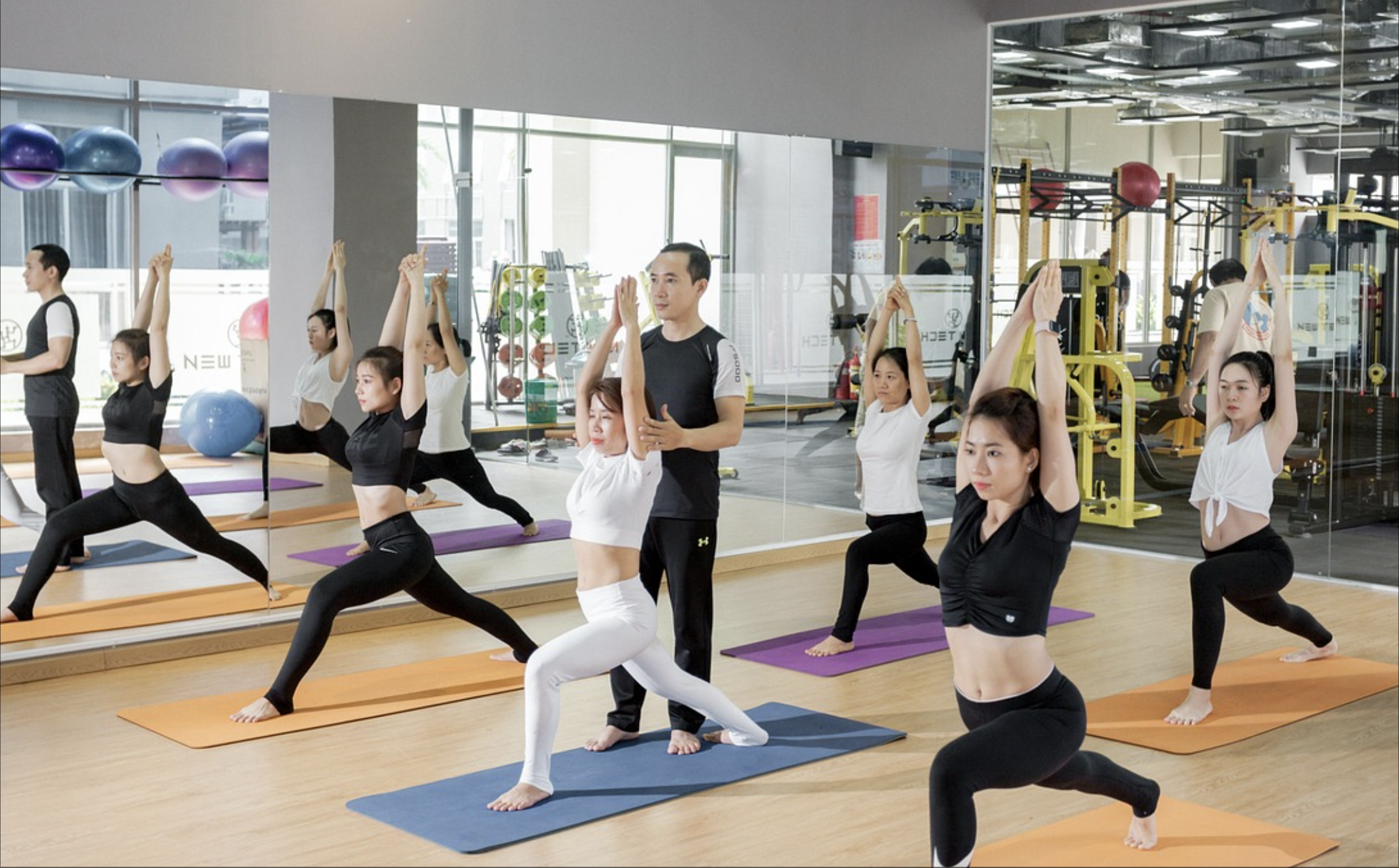
The K. Pattabhi Jois Ashtanga Yoga Institute in Mysore, India, is the world’s only place to become an authorized Ashtanga yoga teacher. Yes, it is the exclusive gateway to this prestigious designation.
Your path to becoming an Ashtanga yoga teacher can take different routes. A 200-hour yoga teacher training or the more rigorous authorization process will start you on a journey that changes your practice and your entire approach to body, mind, and spirit.
Ashtanga yoga’s primary series consists of 49 poses and 35 vinyasas that just need dedication and precision. Respected programs like All Yoga Training have certified over 2,300 yoga teachers worldwide since 2009. This proves that while the path challenges you, you can achieve your goals.
This piece will guide you through every step to become an Ashtanga yoga teacher. You’ll learn about choosing the right training program and launching your teaching career. Let’s help you become a certified instructor.
Table of Contents
Understand the Ashtanga Yoga System
Ashtanga is one of the most disciplined yoga systems around today. K. Pattabhi Jois made it popular in the 1970s. This rigorous practice gives you a clear path that’s a great way to get valuable insights as an aspiring yoga teacher. You should understand the basics of this system before you start any ashtanga yoga teacher training.
What makes Ashtanga different from other styles
Many modern yoga styles change their routines from class to class. Ashtanga doesn’t. It follows a fixed sequence of postures that stays the same. Students can rely on this consistency that creates a solid framework to practice and teach. Every Ashtanga class follows the exact same order of poses.
The practice has three key components known as tristhana:
- Breath technique (ujjayi breathing)
- Specific gaze points (drishti) for each posture
- Precise posture sequencing with vinyasas connecting movements
Ashtanga stands out with its vinyasa system. This specific method coordinates breath with entering and exiting each posture. The continuous flow creates internal heat that purifies the body, making it different from static yoga forms.
People often mix up Ashtanga Yoga with Patanjali’s “eight limbs” philosophy from thousands of years ago. They share a name, but physical Ashtanga asanas are just one part of the broader eight-limbed path. As an ashtanga yoga teacher, you’ll need to know both the physical practice and its philosophy.
The role of the Primary Series in training
The Primary Series, “Yoga Chikitsa” or yoga therapy, is the life-blood of any ashtanga yoga course. This sequence builds the foundation that supports all other aspects of the practice. You must master the Primary Series to get your ashtanga yoga certification.
The Primary Series has about 75 postures that work on different body parts systematically. Sun salutations start the warm-up, followed by standing poses and seated postures. The sequence ends with finishing poses.
Teachers-in-training get multiple benefits from the Primary Series:
- It removes toxins and releases blockages in the body
- It infuses the body with energy and encourages prana flow
- It builds the fundamental strength and flexibility needed for advanced practice
- It establishes the breath-movement coordination central to the Ashtanga system
During ashtanga vinyasa yoga teacher training, you’ll learn more than just poses. You’ll discover “the intelligence of sequencing behind it”. Knowing why poses line up in a specific order helps you teach with depth and precision.
Why daily practice is essential
Traditional Ashtanga follows a six-day-per-week schedule. Rest days happen on the seventh day, moon days, and during menstruation for women. This schedule isn’t random—it speeds up learning and transformation.
Your body adjusts to movements faster when you practice six days weekly. Your flexibility and strength improve quickly. This helps you progress steadily through an ashtanga teacher certification program. The consistency also prevents injuries as your body gets used to the work to be done.
Daily practice turns Ashtanga from exercise into a lifestyle. One experienced teacher says, “A six-day-a-week practice takes some of the glorification out of the practice and makes it more of a discipline”. This disciplined approach matches what you need to teach well.
Daily practice fosters qualities every ashtanga yoga teacher needs:
- Showing up consistently whatever your mood or situation
- Working through discomfort and challenges
- Seeing how repetition reveals subtle changes in body and mind
Regular practice teaches you firsthand that “consistency is the name of the game”. This experience becomes priceless when you guide future students through their own journey.
Becoming an effective ashtanga yoga teacher starts with diving deep into its structured system. You build a solid foundation to guide others authentically by understanding its unique features, mastering the Primary Series, and practicing regularly.
Choose Between Certification and Authorization
The path to teaching Ashtanga yoga presents two distinct options: certification and authorization. These approaches differ by a lot in what they require, how they’re recognized, and how they approach teaching this ancient practice.
What is Ashtanga yoga certification?
Ashtanga yoga certification means completing a Yoga Alliance-registered teacher training program. These well-laid-out courses give you foundational knowledge and teaching skills through a recognized curriculum. Most practitioners start with a 200-hour yoga teacher training registered with Yoga Alliance, which serves as the main regulatory body for yoga teachers.
The certification process focuses on:
- Learning the Primary Series sequence and methodology
- Understanding yoga philosophy and history
- Studying functional anatomy and alignment principles
- Developing practical teaching skills
Many schools offer specialized Ashtanga programs or general training with Ashtanga components. Teachers can teach globally once they complete the program. You can also take a general 200-hour yoga teacher training and then focus on Ashtanga yoga through continuing education.
Certified teachers can teach both the primary series and potentially the intermediate series of Ashtanga yoga, based on their training depth. This path emphasizes your personal growth rather than oversight by a single authority.
What is KPJAYI authorization?
KPJAYI (K. Pattabhi Jois Ashtanga Yoga Institute) authorization represents the traditional lineage-based approach to becoming an Ashtanga teacher. After founder K. Pattabhi Jois passed away in 2009, his grandson Sharath Jois took over the institute and now oversees this rigorous authorization process.
Authorization requires:
- Multiple trips to Mysore, India (at least 4 visits of one month each)
- Direct study under Sharath Jois
- Showing proficiency in advanced asana practice
- Commitment to preserving the traditional method
The KPJAYI shala remains the only authority that can authorize or certify people to teach the Ashtanga yoga method as taught by Shri K. Pattabhi Jois and R. Sharath. Currently, 441 authorized and certified teachers exist worldwide: 75 in Asia, one in Africa, 28 in Australia/New Zealand, 18 in South and Central America, 157 in Europe, and 162 in North America.
Authorization has distinct levels:
- Level 1 Authorization: You can teach only the Primary Series
- Level 2 Authorization: You can teach both Primary and full Intermediate Series
- Certification: A rare designation that lets you teach Advanced A Series postures and beyond
Sharath Jois sees all other Ashtanga teacher trainings as invalid and calls them business ventures. So, authorized teachers hold higher status than certified ones in the traditional Ashtanga community.
Which path is right for you?
Your choice between certification and authorization depends on several factors:
Certification might work if you:
- Want a well-laid-out, available entry into teaching
- Find repeated travel to India challenging financially or logistically
- Value recognition through established organizations like Yoga Alliance
- Want flexibility in your teaching approach and practice adaptation
Authorization might suit you if:
- You feel deeply connected to the traditional lineage
- You can spend years making multiple extended stays in India
- You’ve built an advanced personal practice
- You want direct connection to the source teachings
Many teachers start with certification before they pursue authorization. As one experienced teacher says, “Most people begin with an ashtanga certification to give them a foundation before looking into the authorization steps, but it is a personal choice!”
Your teaching goals, lifestyle, and personal philosophy should guide your decision. Both paths need dedication to personal practice—the true foundation that makes teaching work in the Ashtanga tradition.
Prepare for Your Ashtanga Yoga Course
Getting ready for an Ashtanga yoga teacher training course takes more than just signing up and showing up. Old yogic texts tell us that good preparation builds the foundation for your teaching experience to thrive. Here’s how you can get ready for this life-changing experience.
Build a consistent personal practice
A dedicated practice is the life-blood of becoming a good Ashtanga yoga teacher. Teachers at top institutions say you should practice 5-6 days weekly to get the most out of this powerful system.
New students should focus more on consistency than duration. Here’s where to start:
- Set up a regular schedule, practicing at the same time daily
- Begin with 5 Surya Namaskara A and 5 Surya Namaskara B sequences
- Add postures from the Primary Series as your strength grows
- End with the final three positions of the sequence
You’ll benefit more from 15 minutes of daily practice than a long session once in a while. One seasoned teacher puts it well: “The length of your practice should be something you can easily maintain daily without exhaustion.”
The Ashtanga method works best with morning practice before meals. Still, practicing at any fixed time beats not practicing at all. Your body loves routine, and your circadian rhythm works better with regularity.
Regular practice helps build the mental discipline you need to complete an ashtanga yoga certification program. Daily commitment develops the resilience you’ll need to teach others.
Improve physical and mental readiness
Getting your body ready for an Ashtanga yoga course needs a complete approach. Start by building core strength through extra practices like Pilates or targeted strength training. The Primary Series needs lots of upper body and core stability.
Your diet should include:
- Fresh fruits and vegetables
- Whole grains
- Lean proteins
- Plenty of water throughout the day
Mental preparation plays a vital role too. Start meditating daily to sharpen your focus and mindfulness. Just 10 minutes a day can help you handle intensive training better.
Writing down your intentions, fears, and expectations brings clarity. Keep track of your practice, noting progress and challenges. This self-awareness will help throughout your teaching career.
Stay open to learning as you prepare. Take in teachings without judgment or comparison—remember, this training is about growth, not perfection.
Learn basic Sanskrit pose names
Learning Sanskrit terms is often overlooked when preparing for ashtanga yoga teacher training. Knowing Sanskrit names makes your practice better, links you to yoga’s roots, and adds authenticity to your teaching.
Start with “asana,” which means posture. This term first described meditation poses but now covers all yoga positions. The Yoga Sutras of Patanjali defines asana as a position that “is steady and comfortable.”
Next, learn the Sanskrit names for Sun Salutation sequences that are the foundations of Ashtanga practice. Most pose names break down into prefixes and suffixes, making them easier to remember. To name just one example, see “Adho Mukha Svanasana” which breaks down as “downward facing dog pose.”
Start with Primary Series poses, as these build the base of any ashtanga yoga course. Make flashcards or say the names out loud during practice. Some teachers suggest recording yourself saying each pose name to learn better.
Remember, Sanskrit isn’t just about academics—it connects you directly to Ashtanga yoga’s heritage and honors the tradition you’ll join as a future teacher.
Select the Right Ashtanga Yoga Teacher Training
Picking the right ashtanga yoga teacher training takes some serious thought. You’ll find training programs all over the world, and matching one to your needs, budget, and schedule might feel daunting at first.
Online vs. in-person training
Virtual and physical training environments each bring their own benefits to the table. Physical classes let teachers correct your form right away and give you a more personal touch. You’ll get hands-on guidance and build stronger bonds with your teachers and classmates through direct energy exchange.
Online ashtanga yoga teacher training saves you money and lets you learn at your own pace. These virtual classes connect you with teachers worldwide while you keep up with your daily life. One program points out, “Online teacher training programs allow for more diversity and broader perspectives among classmates,” which creates a “melting pot of backgrounds” beyond your local area.
In spite of that, virtual training needs strong self-discipline and tech skills. Without someone watching over you, deadlines can slip by quickly. Physical training comes with its own challenges – travel costs add up and fixed schedules might not work for everyone.
What to look for in a Yoga Alliance program
The best ashtanga yoga certification programs carry Yoga Alliance registration – the biggest nonprofit group serving yoga professionals worldwide. Quality programs must hit specific marks:
- A detailed curriculum covering asana, meditation, pranayama, anatomy, philosophy, and teaching methodology
- Lead trainers with E-RYT 500 status
- The right number of training hours (usually 200 hours minimum)
- Limited class sizes (top programs usually take 12-16 students)
The program should really know its ashtanga. Real ashtanga vinyasa yoga teacher training teaches you “the sequence inside out” and emphasizes breath control (Ujjayi), energy locks (Bandhas), and gaze points (drishti).
Great programs blend tradition with modern teaching methods. Your training should prepare you to “teach a modified Ashtanga Vinyasa Yoga class suitable for all levels” and show you how to work with “modifications for students with injuries or physical limitations.”
Top locations for immersive training
Some places stand out for their amazing ashtanga yoga courses. Bali’s Nusa Lembongan lets you practice “in the island’s only direct beachfront shala, where the rhythm of crashing waves sets your pace.”
Thailand’s “infinite sunshine and tranquil sea” creates the perfect space for deep learning. Rishikesh, India, nestled “in the Himalayan foothills beside the Ganges River,” connects you straight to yoga’s roots.
American yogis have plenty of options at home too. The USA has “played a major role in the growth of yoga since the 1960s.” Famous teachers like Pattabhi Jois helped build a strong ashtanga community here.
Research each program’s track record before you commit. One expert says, “Trying to pick a 200-hour Ashtanga yoga teacher training is enough to make your head spin,” so trust “comprehensive research and personal recommendations” over flashy marketing.
Your commitment to practice matters more than where you train. The best ashtanga teacher training combines excellent instruction with your dedication to this challenging but rewarding journey.
Complete Your Ashtanga Vinyasa Yoga Teacher Training
Your journey into ashtanga yoga teacher training will reveal the deeper aspects of this ancient practice. Choosing the right program is crucial, and you’ll need to know what lies ahead to guide yourself through this intensive experience.
Core subjects covered in training
Every certified ashtanga vinyasa yoga teacher training has a complete curriculum that meets or surpasses Yoga Alliance requirements. Students learn both theory and practical skills while staying true to traditional methods.
Most programs cover these fundamental areas:
- Asana Practice & Methodology: You’ll practice the primary series daily and learn about alignment, modifications, and hands-on adjustments. This helps you become skilled at proper technique, transitions, and breathing.
- Pranayama & Meditation: You’ll get thorough training in breathing techniques such as Kapalbhati (Frontal Lobe Cleansing), Bhastrika (Bellows Breath), Shithali, Shithkari, and Bhramari (Humming Bee Breathing). The meditation sessions teach various methods from chakra to mantra-based practices.
- Philosophy & Tradition: You’ll study Patanjali’s Yoga Sutras, the Eight Limbs path, Bhagavad Gita, Vedas, and Upanishads deeply. These teachings connect you to ashtanga yoga’s 3000+ year history.
- Functional Anatomy: You’ll learn about key muscles, connective tissues, bones, and the nervous system from a yogic point of view rather than just academic study.
- Teaching Methodology: You’ll get hands-on training in class sequencing, verbal cueing, demonstration techniques, and creating safe spaces for students of all levels.
The program includes “Mysore Style” sessions on Saturdays where you practice on your own with teacher support when needed.
Tips for staying focused during intensive programs
Getting your ashtanga yoga certification takes incredible focus and commitment. The intensive format lets you dive deep but brings challenges you’ll need to handle mindfully.
Create a space free from distractions during practice. Keep phones and other items that distract you from your breath and body away.
Listen to your body’s limits. This training is physically demanding and might cause unfamiliar tension. Watch carefully during adjustments to understand your body’s needs and boundaries.
Make time for yourself. Even though you’re part of a community, quiet time alone (without devices) helps you process new information better. Writing in a journal can help clarify the insights and emotions that surface during training.
Eat well to support your practice. Daily intensive sessions mean your body needs proper nutrition throughout the day. Drink enough water and eat wholesome foods to keep your energy up.
Know that emotional ups and downs are normal. The training often brings hidden emotions and insecurities to light. Trust the process and remember that other students face similar challenges.
When you balance the course requirements with your personal needs, you’ll discover the full potential of your ashtanga yoga teacher training journey.
Start Teaching and Grow Your Career
Your ashtanga yoga certification marks the start of your teaching experience, not the end point.
How to begin teaching after certification
Getting certified is just step one. You’ll need proper registration with yoga organizations like Yoga Alliance to teach professionally. Many yoga teachers start at gyms or established studios where regular positions are accessible to more people. These settings are a great way to get experience before you branch out on your own.
Here’s what works well:
- Fill in as a substitute when regular teachers need time off
- Set up a steady teaching schedule at multiple studios
- Check your insurance coverage, especially as a freelancer
- Connect with studio owners and managers
Note that “people will not know you’re teaching unless you actually teach”. Give your potential students plenty of chances to see your teaching style and connect with your approach.
Building confidence through community classes
Your confidence grows as you teach more – it’s not about being perfect. As one teacher puts it, “I was absolutely terrified to teach when I completed my first teacher training”. New instructors share this feeling universally.
Your confidence will grow when you:
- Teach at youth centers or organizations that help people who can’t afford yoga
- Create one solid sequence and teach it repeatedly until it feels natural
- Connect with your students instead of trying to be flawless
- Keep in mind that all but one of these respected teachers started as beginners
Making mistakes comes with the territory. Students value your authenticity more than perfection.
Continuing education and advanced training
Career growth needs ongoing education. Registered Yoga Teachers must complete 30 hours of continuing education every three years to keep their credentials.
Advanced training paths include:
- Specialized Ashtanga workshops that focus on adjustments and methodology
- Online courses with certification hours (25-100 hours typically)
- Retreats that blend teaching and travel
- Corporate yoga training to vary your income sources
Your career could expand into workshop development, online courses, retreat leadership, or opening your own studio. The yoga industry will grow at a compound annual rate of 9.6% from 2022 to 2027. This growth creates more opportunities for qualified teachers.
Conclusion
Teaching Ashtanga yoga just needs dedication, patience, and continuous learning. This path challenges you but rewards you deeply through personal growth and knowing how to guide others toward change.
Your natural progression starts with a solid foundation in the Primary Series. You’ll advance through teacher training and finally step into teaching roles. Each stage builds on the previous one and strengthens your practice while deepening your understanding of this ancient system.
Your trip as an Ashtanga teacher goes beyond certification. Daily practice becomes even more vital as you guide others. You’ll succeed by staying true to traditional principles and thoughtfully adapting them for modern students.
Trust your path. Your authentic connection to the practice will shine through your teaching whether you choose certification or pursue authorization. Your students will benefit from your expanding knowledge and experience. This creates a ripple effect of positive change through Ashtanga yoga.
