
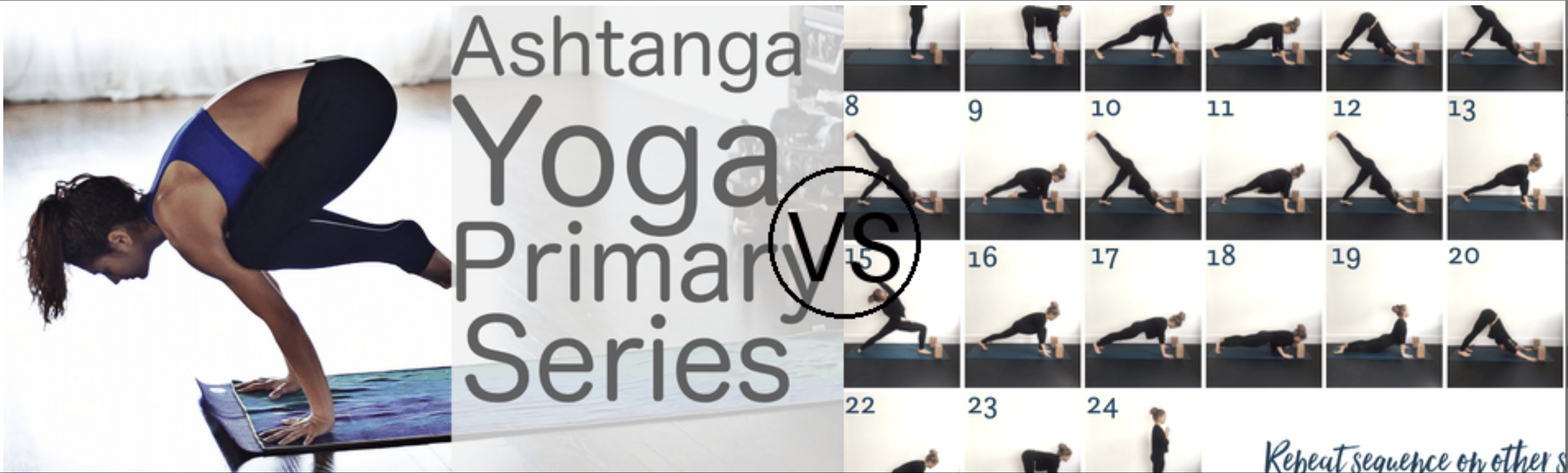
Sri K Pattabhi Jois created Ashtanga yoga in 1932. Since then, yoga practitioners have often debated the merits of Ashtanga versus Vinyasa to find their perfect practice style. Ashtanga students follow a memorized sequence that takes about 2 hours. Vinyasa classes flow differently each time, and no two sessions are the same.
Both styles offer distinct advantages. Ashtanga requires dedication with six practices per week and progresses through four series. This intensity earned it the nickname “Power Yoga.” Vinyasa classes add music and mix up the sequences. This makes it a great starting point for newcomers who want to build strength and flexibility as they feel comfortable.
You might feel drawn to Ashtanga’s disciplined structure or Vinyasa’s creative flow. Understanding these two approaches will help you pick a practice that lines up with your fitness goals and priorities. Let’s look at how these time-tested yoga traditions stack up in different ways.
Table of Contents
Practice Structure: Fixed Sequences vs Creative Flow
The main difference between ashtanga and vinyasa yoga shows in how they structure their sequences. Ashtanga follows a set path, while vinyasa lets teachers be creative—but both employ flowing movements that connect with breath.
Ashtanga: Same sequence every time
Ashtanga yoga follows a structured framework where students do the same postures in the same order each session. This strict sequencing isn’t random. It’s designed to build strength, flexibility, and purification step by step.
The practice has six progressive series, though most students work with just the first three:
- Primary Series (Yoga Chikitsa) – This foundational series, meaning “yoga therapy,” cleanses internal organs, strengthens the spine, and builds flexibility.
- Intermediate Series (Nadi Shodhana) – Known as “cleansing energy channels,” this series opens subtle energy pathways through backbends and inverted twists.
- Advanced Series (Sthira Bhaga) – Called “strength and grace,” these challenging sequences test physical and energetic limits.
Each Ashtanga practice also has a standard beginning sequence, the main series work, and closing postures. A complete session usually takes about 90 minutes.
Students master postures one by one in Ashtanga. They add new poses only after they’ve shown they can handle existing ones. This disciplined journey through the series might take years, but it creates a clear path forward.
Vinyasa: Instructor-designed sequences
Vinyasa yoga takes a different approach with its sequencing. No two classes are exactly alike. Teachers create unique flows that change from class to class. This freedom to build sequences and adjust pace between poses keeps the practice fresh.
Vinyasa classes share some common elements:
- They start with sun salutations
- Teachers build toward a peak pose
- Classes might focus on specific areas (like hip opening or backbends)
- Poses flow smoothly with breath
This flexibility lets teachers adapt to their students’ needs and abilities in each class. Beginners who aren’t ready for Ashtanga’s intensity often find vinyasa more approachable, as do people who want variety in their practice.
How they affect learning and memorization
Each style brings its own benefits. Ashtanga’s repetitive nature means you can predict what’s next. This is a chance to focus more on meditation rather than waiting for the teacher’s next cue.
The fixed sequence means your own condition is the only thing that changes day to day. Your practice becomes a mirror of your progress, and improvements become clear over time. Students often develop a deeper awareness of subtle changes in their bodies and abilities.
Vinyasa keeps things interesting for those who find repetitive sequences boring. You stay present and focused because you don’t know what’s coming next. As one teacher put it, “The style of vinyasa yoga is intentionally free-form, eschewing the rigidity of more traditional kinds of yoga”.
Both styles come with potential risks. Ashtanga might strain your body by working the same muscles and joints repeatedly. Vinyasa’s unpredictable nature can make it hard to track progress and might confuse newcomers.
Your choice between fixed sequences and creative flows depends on what you want and who you are. People who value consistency and measurable progress tend to pick Ashtanga. Those who want variety and surprises usually prefer Vinyasa.
Breath and Movement: Synchronization Styles Compared
Breath acts as the rhythmic heartbeat that powers both ashtanga and vinyasa yoga. Each style arranges this vital element differently. The way yogis match their breath with movement creates unique energetic experiences that set these two popular approaches apart.
Ashtanga: Ujjayi breath and drishti focus
Ashtanga yoga uses a three-pillar approach called Tristana that sets it apart from other forms. This method blends Ujjayi Pranayama (breathing technique), Bandhas (energy locks), and Drishti (focused gaze points) to build a complete practice framework.
Ashtanga just needs continuous use of Ujjayi breath – a specific technique where yogis partially close the glottis (throat muscle) while breathing in and out. This creates a distinct ocean-like sound that sounds like “waves rolling over pebbles on a beach.” Sri K. Pattabhi Jois’s famous words ring true: “Ashtanga practice is a breathing practice… the rest is just bending.”
Each movement in the ashtanga sequence follows a specific breath count. This synchronized breath-to-movement ratio stays consistent throughout practice. Students naturally absorb this meditative rhythm over time.
Drishti brings everything together with specific gaze points that shift with each posture. Students look toward their hands when lifting arms overhead. These nine focal points encourage internal awareness and help avoid distractions. One practitioner puts it well: “In practical terms, we use the Drishti as a way of developing concentration and avoiding distraction.”
This three-part system helps students develop remarkable bodily control and mental focus. The synchronized breath and movement create what many call a “moving meditation” that surpasses the thinking mind’s limits.
Vinyasa: One breath, one movement principle
Vinyasa yoga also puts breath-movement connection at its core, but applies it differently. The “vinyasa krama” principle guides students to match each transition and pose with their breath – in or out.
Teachers use simple cues like “inhale to reach up” or “exhale to forward fold.” These help students flow through sequences mindfully. Vinyasa’s breathing patterns are more flexible than ashtanga’s fixed counts. This makes the practice available to students of all levels.
The breath-movement link turns vinyasa sequences into a “rhythmic dance” or “expression of inner rhythm.” Transitions become as vital as the poses. Everything flows together smoothly to boost the overall experience.
On top of that, vinyasa’s breathing approach brings mindfulness by keeping practitioners present. Students naturally become aware of physical sensations, emotions, and thought patterns as they coordinate breath with movement. This awareness often carries into daily life.
Both styles use breath to create moving meditation, but take different paths. Ashtanga offers consistency through set breath patterns. Vinyasa adapts to each student’s needs and class variations. This key difference shows each style’s nature – ashtanga’s disciplined tradition versus vinyasa’s creative flexibility.
These distinct breath philosophies help students pick the approach that lines up with their priorities – structured precision or fluid adaptability.
Spiritual Depth vs Physical Expression
The philosophical core that sets ashtanga apart from vinyasa yoga goes way beyond postures and breath work. These two approaches foster distinct spiritual dimensions that shape how practitioners experience yoga both on and off the mat.
Ashtanga: Eight-limb path and inner work
Ashtanga yoga stays true to its namesake philosophy—the eight-limbed path outlined by sage Patanjali in the Yoga Sutras. This complete framework reaches way beyond the reach and influence of physical exercise. It includes ethical principles (yamas and niyamas), postures (asana), breath control (pranayama), sense withdrawal (pratyahara), concentration (dharana), meditation (dhyana), and enlightenment (samadhi).
Dedicated practitioners see ashtanga as a sadhana—a specific daily spiritual practice they manage to keep up with effort over years. David Garrigues puts it well: “Ashtanga yoga is an invocation. We are purposely doing this practice to look inside.” Ashtanga’s foundation—vinyasa, ujjayi breath, bandhas, drishti, and dhyana—serves as spiritual tools that guide awareness inward.
This internal focus adds deeper meaning to asana practice. Traditional teachings suggest that consistent practice “will develop into something very ‘spiritual’ because you will have developed a relationship with yourself.” In fact, many practitioners see ashtanga as a path to self-realization first, with physical benefits coming second.
Ashtanga’s spiritual depth just needs commitment. The practice becomes meaningful when done six days a week over many years. This helps practitioners build discipline needed for transformation. Through steadfast dedication, practitioners want to purify their body and mind to prepare for deep spiritual work.
Vinyasa: Emphasis on external flow and music
In stark comparison to this, vinyasa yoga focuses more on external expression and physical flow. While rooted in yogic philosophy, vinyasa classes put more emphasis on the dynamic relationship between movement and breath than explicit spiritual teachings.
The biggest difference shows in vinyasa’s use of music. Unlike ashtanga’s silent practice space, vinyasa classes often play carefully selected music from ambient sounds to modern tracks. One instructor shares: “Music can set the mood and add emotion and for me personally, it takes me out of my head.”
Musical accompaniment reflects vinyasa’s philosophical view on transience. Vinyasa philosophy centers on “recognizing the temporary nature of things.” It teaches that “movement isn’t contrary to consciousness but an affirmation of how transient consciousness is.” Flowing sequences physically show this concept of impermanence.
Vinyasa might use elements of concentration and mental quieting, but stays less philosophical than ashtanga. Classes rarely have chanting or structured meditation. They focus more on physical aspects of pranayama and asana practice. This makes vinyasa more available to beginners or those looking mainly for physical benefits.
Meditation and mindfulness differences
Both practices foster mindfulness through different approaches. Ashtanga creates meditation through consistency—doing the same sequence repeatedly lets practitioners internalize movements. This frees up mental space for deeper awareness, similar to traditional meditation where repetition creates stable attention.
Vinyasa often gets described as “moving meditation.” Practitioners find mental peace through synchronized breath and movement. Modern practitioners who find sitting meditation challenging often prefer this dynamic approach. One teacher explains: “flowing through a vinyasa class is an easier way to relax and quiet the mind than traditional sitting meditation.”
Serious ashtanga practitioners often add formal meditation techniques to their asana practice. This well-laid-out approach lines up with Patanjali’s eight-limbed system. It sees meditation as everything in yogic development rather than an optional add-on.
Both paths can lead to better self-awareness. Practitioners find chances for spiritual growth through ashtanga’s structured inner work or vinyasa’s expressive flow. Yet the emphasis, methods, and traditional philosophical depth vary by a lot between these two popular yoga styles.
Class Format and Teacher Role
Yoga teachers create unique classroom experiences through their teaching methods. Understanding how instructors help students practice shows key differences between ashtanga and vinyasa yoga styles.
Mysore-style vs guided Vinyasa classes
Ashtanga yoga uses the distinctive Mysore-style format, which got its name from the Indian city where it began. Students work at their own pace in these classes, even though they practice together. They move through sequences they’ve memorized while the teacher walks around to give personal attention. “It’s like getting a private yoga session within a group environment,” one practitioner explains.
Vinyasa classes take a more standard group approach. The teacher guides everyone through the same sequence together. They show the poses, give instructions, and set the pace for the whole class. This creates great group energy but doesn’t match the personal attention you get in Mysore practice.
Mysore-style gives students room to learn on their own. They can take extra time with hard poses or move quickly through familiar ones based on what they need. The teacher-led vinyasa style gives clear directions, which makes it great for beginners who don’t know the poses yet.
Hands-on adjustments vs verbal cues
Teaching styles really stand out in how instructors guide their students. Traditional ashtanga teachers focus on physical adjustments. They use their hands to guide students into proper alignment or deeper poses. These adjustments become the main teaching tool in Mysore-style classes because talking would break the meditation-like atmosphere.
“In traditional Ashtanga Yoga, especially in Mysore style practice, there is very little room for demonstration or verbal cues. Students practice in silence and the teacher interferes very little to not disrupt the moving meditation,” explains one Ashtanga instructor.
Vinyasa teachers mostly use words and demonstrations to guide the class. The flowing style means they spend more time leading sequences than making individual adjustments. “You will receive fewer adjustments in a Vinyasa class than in Ashtanga self-practice class as the yoga instructor focuses on leading the class,” notes one source.
Use of props and modifications
Props and modifications show another big difference between these styles. Traditional ashtanga yoga usually skips props. Many masters believe props interrupt the practice’s flow and inner focus. This simple approach encourages students to work within their current abilities instead of forcing poses.
Vinyasa yoga welcomes props like blocks, straps, and bolsters. These tools help students find proper alignment, work around limitations, or try variations. This available approach makes vinyasa welcoming for people with injuries or special physical needs.
Both styles offer ways to modify poses, but they do it differently. Ashtanga’s structured system naturally fits different levels – beginners start with fewer poses until they’re ready for more. Vinyasa teachers often show several options during class, so students can pick what works best for them.
Fitness Goals: Intensity, Cardio, and Calorie Burn
The distinct energy systems and exercise profiles of Ashtanga and Vinyasa yoga reveal their unique approaches to physical fitness. Each style provides different cardiovascular benefits that line up with specific fitness priorities and goals.
Ashtanga: High intensity, long duration
Ashtanga yoga just needs continuous, vigorous movement that creates the perfect environment to build strength and stamina. The practice features uninterrupted sequences that last 90-120 minutes. This makes it an endurance-focused workout that pushes both muscular and cardiovascular systems.
The American College of Sports Medicine suggests you should reach 65-90% of maximum heart rate for at least 20 minutes, three to five times weekly to achieve cardiovascular fitness. Ashtanga practitioners often go beyond these guidelines through their six-day practice schedule. This is a big deal as it means that they achieve “well above average” cardiorespiratory fitness by ACSM standards.
This high-intensity approach builds muscle strength, flexibility, and endurance. Research shows Ashtanga can boost cardiovascular health due to its rigorous nature. An eight-month study with premenopausal individuals showed increased lean body mass.
Vinyasa: Cardio-focused, shorter sessions
Vinyasa classes usually run 60-90 minutes. The intensity levels vary by a lot – some sessions stay gentle while others become highly demanding. This flexibility makes Vinyasa more available to beginners who want cardiovascular benefits without Ashtanga’s strict commitment structure.
Vinyasa’s key feature is its constant movement between poses. This effectively raises heart rate and creates what many instructors call “moving meditation.” These ongoing transitions work large muscle groups and force the heart to circulate oxygenated blood more efficiently.
Vinyasa boosts flexibility, balance, and coordination beyond cardiovascular conditioning. The continuous flow helps improve body awareness and builds functional strength for daily activities.
Calorie burn comparison
Both styles offer impressive calorie-burning numbers with some key differences:
Ashtanga yoga burns between 450-550 calories per hour-long session. Some estimates cite up to 412 calories hourly. The fixed sequence keeps energy output consistently high throughout.
Vinyasa classes can burn 400-600 calories hourly based on intensity. The constant movement drives these numbers. Power-focused Vinyasa classes might burn up to 594 calories per session.
The main difference in calorie burn between Ashtanga and Vinyasa comes down to practice duration and consistency. Vinyasa might offer slightly higher hourly burn rates. However, Ashtanga’s longer sessions and traditional six-day weekly commitment could create greater total caloric expenditure.
You should choose based on your preference for shorter, variable-intensity workouts or longer, consistently challenging sessions for cardiovascular development.
Progression and Commitment: What to Expect Long-Term
A yoga practice that spans many years shows the biggest differences between ashtanga and vinyasa approaches. The way these styles handle progression shapes how practitioners develop through years of dedicated practice.
Ashtanga: Series-based advancement
Ashtanga yoga uses a strict advancement system with six progressive series. Most students work with the first three: Primary (Yoga Chikitsa), Intermediate (Nadi Shodhana), and Advanced (Sthira Bhaga). Students must master each sequence before moving forward. Teachers expect proficiency in most postures before allowing progression to the next level.
This step-by-step approach creates clear growth markers. A practitioner puts it well: “Ideally, one doesn’t progress to the next level or series before gaining mastery over most, if not all of the important postures of the prior series.” Your Ashtanga teacher makes the final call about your readiness to advance, which ensures proper development.
Vinyasa: Flexible progression
Vinyasa yoga takes a more adaptable approach. Students advance without fixed sequences through different paths. They can try harder variations, improve alignment, or deepen their understanding of specific pose families.
Teachers can adjust sequences based on student’s abilities and needs. Modifications make progress more available to everyone. Students move forward at their own speed without pressure to master specific sequences in order.
Time commitment and consistency
Traditional ashtanga requires practice six days weekly, with sessions lasting 90-120 minutes. This demanding schedule builds discipline needed for transformation. One teacher explains: “Deep structural changes which shift our fundamental biases require time, patience, and often involve a certain degree of discomfort.”
Vinyasa allows more scheduling freedom while encouraging regular practice. Classes usually run 60-90 minutes with varying intensity levels.
Both styles have plateaus where progress seems stuck. These ups and downs mirror life itself. The main difference lies in each style’s approach to these plateaus. Ashtanga sees them as consolidation periods before moving forward. Vinyasa helps practitioners work through plateaus by changing focus areas.
Comparison Table
| Aspect | Ashtanga Yoga | Vinyasa Yoga |
|---|---|---|
| Practice Structure | Students memorize and follow the same sequence each time | Teachers create unique flows that change each class |
| Session Duration | 90-120 minutes | 60-90 minutes |
| Practice Frequency | Students practice six days weekly | Students choose when to practice |
| Breathing Technique | Students follow strict Ujjayi breath with specific counts | Each movement pairs with one breath in adaptable patterns |
| Class Format | Mysore-style lets students practice independently with personal guidance | Teacher guides the whole group together |
| Teacher Guidance | Teachers offer hands-on help with few verbal cues | Teachers guide through voice and show poses |
| Use of Props | Teachers rarely suggest props | Students use props like blocks, straps, and bolsters |
| Music in Class | Students practice in silence | Classes often flow with music |
| Spiritual Focus | Deep connection to eight-limbed path, meditation, and inner growth | Light on philosophy, heavy on physical movement |
| Calorie Burn | 450-550 calories per hour | 400-600 calories per hour |
| Intensity Level | Stays at high intensity | Changes between gentle and challenging |
| Progression System | Students advance through 6 set series | Students progress at their own speed |
| Beginner Accessibility | Beginners find it challenging | Beginners can modify poses easily |
| Sequence Predictability | Same sequence repeats each time | Each class brings something new |
Conclusion
Ashtanga and Vinyasa yoga are powerful paths to physical fitness and mental clarity, but each style meets different practitioner’s needs. Ashtanga’s well-laid-out approach, with fixed sequences and strict progression system, draws people who seek discipline and measurable advancement. Vinyasa’s creative flexibility and adaptable nature makes it a great fit for practitioners who love variety and tailored progression.
A closer look shows these styles differ by a lot in their approach to breath work, spiritual depth, and teaching methods. Ashtanga needs steadfast dedication with its six-day practice schedule and traditional Mysore-style training. Vinyasa gives you flexible scheduling and varied class formats that work great especially when you have just started yoga.
Your personal goals and priorities will guide your choice between these styles. Ashtanga could be your path if you value consistency and do well with structured frameworks. If you enjoy creative expression and adjustable intensity levels, Vinyasa might better suit your style.
These styles aren’t better or worse than each other – they just offer different paths to the transformative practice of yoga. Many practitioners find value in trying both styles. This lets each practice boost their overall yoga experience.
