
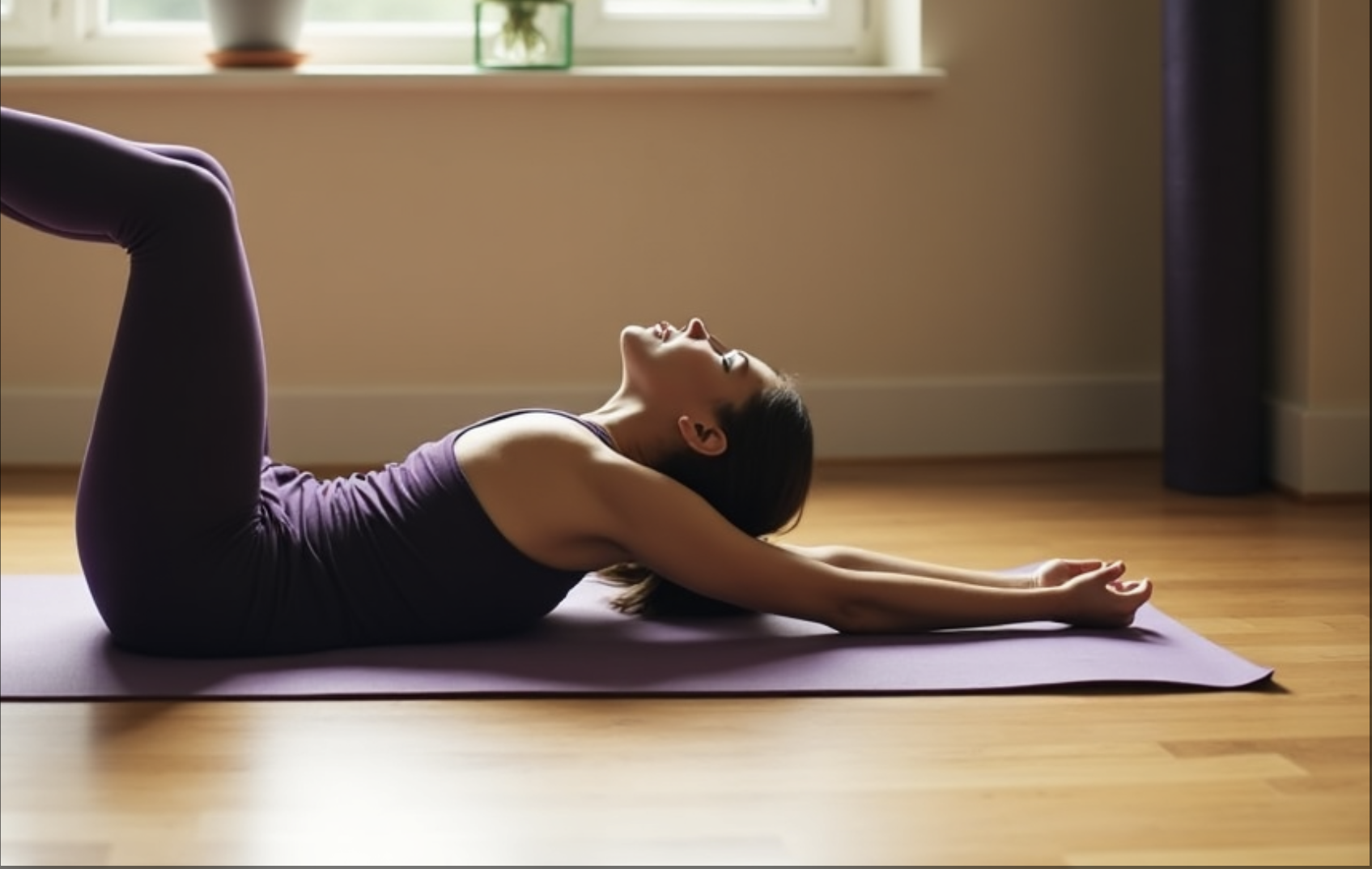
Muscular imbalance causes 90% of back pain. Prone yoga poses could be your solution to build a stronger and healthier back.
These powerful poses pack quite a punch. Hatha yoga features 13 main prone poses that benefit both beginners and advanced practitioners. Yoga poses done while lying on your stomach not only ease back pain but also energize your body. They strengthen your heart and lungs and help curb stress and anxiety.
Prone position yoga works wonders to build strength in your arms, shoulders, and back. It targets specific muscle groups that improve your posture. Simple poses like Cobra and challenging ones like Bow can reshape your yoga experience.
These available poses are a great way to boost your home practice. Let’s head over to everything you should know to become skilled at prone yoga poses safely and effectively.
Table of Contents
What Are Prone Yoga Poses?
The word “prone” might sound like medical jargon, but it describes a basic body position in yoga. Your body faces the floor in these poses, and that’s what we call a prone yoga pose. These floor-based asanas create a solid foundation that works great for both beginners and advanced practitioners.
Definition and examples of prone position yoga
Prone yoga poses put your body face-down, spreading your weight across your abdomen, chest, and thighs. Sanskrit, yoga’s ancient language, gives these postures special names like Bhujangasana (Cobra Pose) and Salabhasana (Locust Pose).
Traditional hatha yoga features about 13 main prone asanas. Here are some popular ones:
- Cobra Pose (Bhujangasana): You lie face down, place palms beside your chest, and lift your upper body while keeping your navel grounded
- Sphinx Pose (Salamba Bhujangasana): A relaxed backbend where your forearms rest on the mat
- Locust Pose (Salabhasana): You lift your legs and sometimes upper body while lying on your stomach
- Bow Pose (Dhanurasana): You grab your ankles from behind to shape your body like a bow
- Superman Pose: Your arms reach forward and legs extend back while facing down
Your body stays connected to the ground through your torso or abdomen. This creates a grounding sensation even as you move into energizing positions.
How prone poses differ from other yoga positions
The biggest difference in prone poses lies in their relationship with gravity. These poses work against gravity in ways that supine poses (lying on your back) or seated postures don’t. This unique challenge needs specific strength and energy to master.
Prone poses stand out in several ways:
Your chest expands naturally in these poses. Facing downward and lifting your upper body opens the chest cavity, which helps you breathe deeper. This makes them different from forward folds that usually compress the chest.
These poses belong to the backbend family, unlike many other yoga postures that focus on forward bending or twisting. They balance out seated forward bends beautifully.
The body mechanics work differently too. To name just one example, bow pose works the anterior chain (front body), not the posterior chain as you might expect. This sets them apart from standing backbends that use different muscle groups.
The floor supports your body in prone poses. You don’t need to hold your entire weight like in standing or balancing postures. This support lets you target specific muscles while staying grounded.
Prone poses bring more stimulating and outward energy compared to relaxed poses like Corpse Pose (Savasana). Teachers often place them in the middle or near the end of class to build energy and heat.
Learning these unique qualities helps you see how prone position yoga fits perfectly with other asana families in your practice.
Why Practice Prone Poses at Home?
Your living room can become a yoga studio, and this is a chance to learn about prone yoga poses. These floor-based postures will give you powerful benefits that you can add to your home practice routine.
Benefits for posture, digestion, and stress
Regular prone position yoga strengthens your entire posterior chain. We targeted the back and core muscles. Your overall posture improves because this systematic strengthening helps build proper spinal alignment. Research shows that backbend poses like Cobra can open your chest and shoulders—areas that often become tight from regular slouching or slumping forward.
Your muscles supporting the spine actively work during prone poses, which leads to postural improvements. These strengthened muscles make it easier to stand tall without thinking about it. Your spine becomes stronger and properly arranged, upper body tension reduces, and healthy spinal curves develop.
Prone yoga poses also help your digestive system work better. Your digestive organs get a gentle massage from the pressure applied during these poses. This natural compression:
- Stimulates proper function of digestive organs
- Eases bloating and constipation
- Improves overall digestion through increased circulation
- Improves abdominal organ health
Prone yoga poses help curb stress—a common reason why people start practicing yoga at home. Studies show this clearly. Your chest opens naturally in poses like Sphinx, which encourages deeper breathing. This activates your parasympathetic nervous system (your body’s “rest and digest” response).
A newer study, published in 2018, showed that women who practiced Hatha yoga three times weekly for four weeks had less stress, depression, and anxiety. Another study from 2020 found that yoga stretches lowered cortisol levels while helping parasympathetic nerve activity.
“The calming effect yoga has on your body’s internal world is well-documented,” notes research from UCLA’s Semel Institute of Neuroscience and Human Behavior. You can get this relaxation response from prone poses especially well during home practice when you need stress relief.
When to avoid prone poses
These poses have many benefits, but you need to be careful in certain situations. Pregnant women should not do prone positions after the first trimester. The pressure on the abdomen can feel uncomfortable and might harm both mother and baby.
Medical conditions require special attention too. You should ask your healthcare provider before trying prone positions if you have high blood pressure, peptic ulcers, hernia, or serious back problems. People recovering from abdominal surgery or with diagnosed hernias should wait for medical clearance before doing these postures.
Other contraindications include:
- Recent joint replacements (especially hip and knee)
- Osteoporosis (requires modifications)
- Active sciatica or acute back pain
- Pelvic floor dysfunction
- Glaucoma (due to head position relative to heart)
Note that these contraindications don’t completely rule out prone poses—they just mean you need extra attention or professional guidance. Many practitioners can use props and modifications to make these poses work for their individual needs.
Prone yoga poses combine physical and mental benefits that make them valuable for your home practice. Just make sure to approach them thoughtfully based on your health situation.
Learn the Key Prone Poses Step-by-Step
You need proper form and technique to become skilled at prone yoga poses. These floor poses might look simple, but every detail counts for safety and results. Let me show you how to do four basic prone poses correctly at home.
Cobra Pose (Bhujangasana)
Cobra pose helps open your chest and stretch your spine. It works great to counter the effects of sitting too much. This basic backbend helps warm you up before trying deeper poses.
Here’s how to do Cobra pose:
- Lie face down and rest your forehead on the mat
- Put your palms flat next to your ribs, keeping elbows close to your sides
- Push your pubic bone into the floor to protect your lower back
- Lift your head and chest as you inhale, while rolling shoulders back and down
- Your lower ribs should stay on the mat with bent elbows
- Lift from your sternum instead of pushing your neck up
- Take 5-10 breaths, then lower back down as you exhale
Beginners should try Baby Cobra by keeping bent elbows and lifting halfway up. This helps build your back strength without strain.
Locust Pose (Shalabhasana)
Locust pose builds strength throughout your back body and improves spine flexibility. Many people find it helps with sciatic nerve pain.
Follow these steps for Locust pose:
- Start on your stomach with forehead touching the floor
- Place your arms next to your body with palms down
- Press your hip bones into the floor for stability
- Lift your head, chest, and legs off the floor as you inhale
- Keep legs straight and engaged while rotating inner thighs up
- Think about reaching legs back and chest forward instead of just lifting
- Hold for 5 breaths, then lower while exhaling
New students can start by lifting one leg at a time (Ardha Shalabhasana) or just lift the upper body first. Add legs gradually as you build strength.
Bow Pose (Dhanurasana)
This energizing pose looks like an archer’s bow. It gives your front body a deep stretch while strengthening your back.
Here’s how to do Bow pose:
- Start on your belly with feet hip-width apart
- Bend knees and grab your ankles with your hands
- Press your pelvis firmly into the mat
- Lift your chest and thighs off the floor as you inhale
- Push feet toward ceiling while gently pulling with hands
- Keep shoulders rolled back and away from ears
- Look slightly forward to keep proper neck alignment
- Hold for 5-10 breaths, then release with an exhale
Try using a yoga strap around your feet if you can’t reach your ankles. Half Bow (one leg at a time) works well too.
Sphinx Pose (Salamba Bhujangasana)
Sphinx pose gives you a gentle backbend that works well for beginners. People often call it “the infant of backbends” because it helps with spine mobility.
Do Sphinx pose this way:
- Lie on your belly with legs together
- Put elbows right under shoulders, forearms parallel on floor
- Point tailbone toward pubis and stretch it toward heels
- Turn inner thighs toward floor to widen lower back
- Lift upper body and head into a mild backbend while inhaling
- Pull lower belly away from floor to support lower back
- Stay for 5-10 breaths, then release while exhaling
Put a folded blanket under your hips for extra support. This pose strengthens your spine and stretches your chest, lungs, shoulders, and belly.
How to Perfect Your Form and Avoid Mistakes
Proper alignment in prone position yoga can challenge even seasoned yogis. The right form not only keeps you safe but also helps you get the most out of these powerful postures.
Common alignment errors in prone poses
These frequent misalignments need attention during prone poses:
Neck compression happens when students lift their chins too high in backbends like Cobra or Sphinx. Your cervical spine takes unnecessary stress this way. The best approach is to keep your gaze forward while your neck stays aligned with your spine.
Shoulder elevation shows up when yogis unknowingly raise their shoulders toward their ears during prone yoga poses. This creates unwanted tension. The solution is to draw your shoulders down and away from your ears, which becomes extra important in backbends.
Neglecting core activation is the biggest problem most practitioners face. Your lower back takes too much stress during prone position yoga without proper core support. Your abdominal muscles should stay engaged to protect your spine.
Tips for breath control and muscle engagement
Breath guides you through prone poses naturally. Deep, steady breathing helps you stretch further and relax better. Here’s a simple approach:
- Inhale as you lift into the posture
- Exhale as you release
- Focus on filling your torso from the pelvic floor up to the collarbone
The right muscle engagement protects your joints and ligaments from injury. Start by engaging your core in all prone poses. Then activate only the muscles needed for each specific pose while letting others relax. This targeted engagement creates stability without extra tension.
Using props for support and comfort
Props make prone yoga poses available to everyone. Beginners can use blocks to find proper alignment without strain. Placing them under your hands in poses like Cobra helps you find the right height.
Blankets offer vital cushioning that helps protect your hip bones in prone positions. A folded towel placed lengthwise on your mat provides comfort for sensitive breasts where your chest rests.
Straps help you reach further in poses like Bow. They let you experience the benefits without pushing your body past its current flexibility limits.
Your body knows best, so adjust as needed. True skill comes through mindful adaptation rather than forced perfection.
Create a Simple Prone Yoga Flow at Home
A structured sequence makes starting your home yoga practice easier. You can enjoy these postures’ benefits by creating your own prone yoga flow in just a few minutes each day.
Warm-up suggestions before prone poses
Your body needs proper preparation before you try any prone yoga poses. Start with Cat-Cow stretches on all fours and sync your movement with breath for 1-2 minutes. This gentle motion helps warm up your spine and releases stiffness. You can then move into Child’s Pose (Balasana) for 30-60 seconds that creates length in your back and opens your hips.
Sun Salutations make an excellent warm-up since they stretch almost every part of your body. Your back might need extra attention, so add Extended Puppy Pose by walking your hands forward from a kneeling position while keeping your hips above your knees.
Sample 10-minute prone pose sequence
This straightforward prone yoga flow takes just 10 minutes:
- Start in Child’s Pose (30 seconds) to center yourself
- Move through Cat-Cow (30 seconds) to mobilize your spine
- Rest in neutral position on your belly (15 seconds)
- Practice Baby Cobra (30 seconds) and focus on gentle chest opening
- Return to neutral position (15 seconds)
- Flow into Sphinx Pose (45 seconds) and maintain even breathing
- Progress to full Cobra Pose (30 seconds)
- Return to Child’s Pose (30 seconds) to reset
- Perform Locust Pose variations (60 seconds total)
- Rest briefly (15 seconds)
- Move into Bow Pose (30 seconds)
- Finish with Child’s Pose (60 seconds)
Your breath serves as an anchor throughout this flow. Keep your inhales and exhales smooth.
How to cool down after your practice
A proper cool-down helps your body return to its normal state after completing your prone position yoga sequence. Gentle stretches will help normalize your heart rate and breathing.
Child’s Pose works perfectly as a cool-down posture after backbends and lets your spine release in the opposite direction. Many yogis skip this part, but a proper cool-down helps your body recover better.
Deep, slow breaths during these final poses activate your parasympathetic nervous system—your body’s “rest and digest” state. This cooling phase reduces your blood pressure and benefits your immune response.
Take 3-5 minutes in Corpse Pose (Savasana) and let your body absorb the practice’s benefits before you return to daily activities.
Conclusion
Prone yoga poses are powerful tools that build strength, improve posture, and boost overall well-being. These floor-based postures provide unique benefits and complement any yoga practice. They are a great addition to your daily routine.
Proper form and alignment help you realize the full potential of prone poses. You can start with simple positions like Cobra and Sphinx and progress steadily toward more challenging poses such as Bow and Locust. Regular practice builds core strength and promotes better spinal health.
Yoga practice grows through patience and consistency. These prone poses will definitely boost your practice when you approach them mindfully with proper preparation. This applies whether you’re new to yoga or an experienced practitioner.
You should explore each pose, listen to your body’s signals, and adapt the sequences to your comfort level. Your experience with prone yoga poses will strengthen your body, increase flexibility, and deepen your connection with the practice.
