
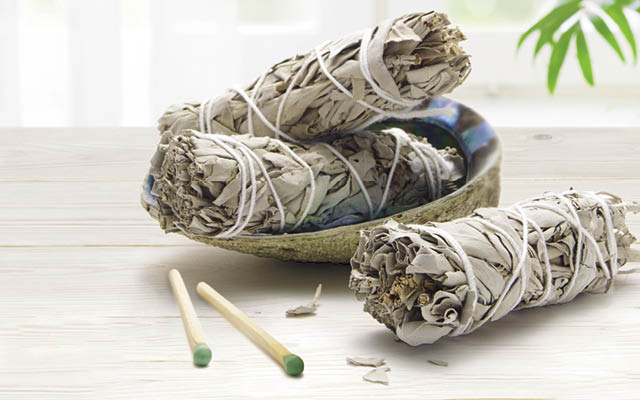
Can You Smoke Sage? Exploring the Tradition and Potential Effects
Can you smoke sage? Absolutely. This practice is rooted in tradition and attracts interest for its potential mental and healing benefits. From its use in spiritual cleansing to claims of cognitive enhancement, sage smoking is multifaceted. However, it’s not without risks. Our exploration covers the how-to, the benefits, the precautions, and more, giving you a comprehensive view of smoking sage.
Table of Contents
Key Takeaways
- Sage smoking is an ancient practice integral to many spiritual traditions, particularly among Native Americans, and serves as a spiritual cleansing tool.
- There are various benefits reported with sage smoking, such as improved cognitive functioning and mood, as well as respiratory benefits due to antimicrobial properties, but these claims require a cautious approach due to limited scientific evidence.
- Practicing sage smoking safely and responsibly is crucial, as there are potential risks such as lung irritation and issues for certain groups like pregnant women. Always consult healthcare providers and ensure sustainable, respectful use of sage.
The Ancient Practice of Sage Smoking

When we think of sage, we often envision the dried herb used in cooking. However, sage is much more than a culinary delight. It also plays a central role in spiritual practices of many cultures, particularly in Native American traditions. Sage smoking, deeply rooted in these traditions, has been used for cleansing the soul, dispelling negative energy, and connecting the physical to the sacred realm. These practices are steeped in respect for sage as a sacred plant, with careful harvesting and sustainable practices that starkly contrast the commercialization we often see today.
So, how is sage used in these spiritual rituals? In Native American ceremonies, sage smoking often serves as a prelude to spiritual events, aiding in mood enhancement and clearing spaces from negative influences. This purification aspect of sage smoking isn’t just about the physical space, but it also extends to the mind and spirit, helping individuals to shed negative emotions and thoughts.
Not all sage is created equal, though. Specific varieties of sage, such as white sage, are traditionally used for their unique properties in creating smoke for cleansing, healing, and protection during these ancient practices. The potent aroma and healing properties of white sage make it a favorite choice for these spiritual ceremonies.
Benefits of Sage Smoking
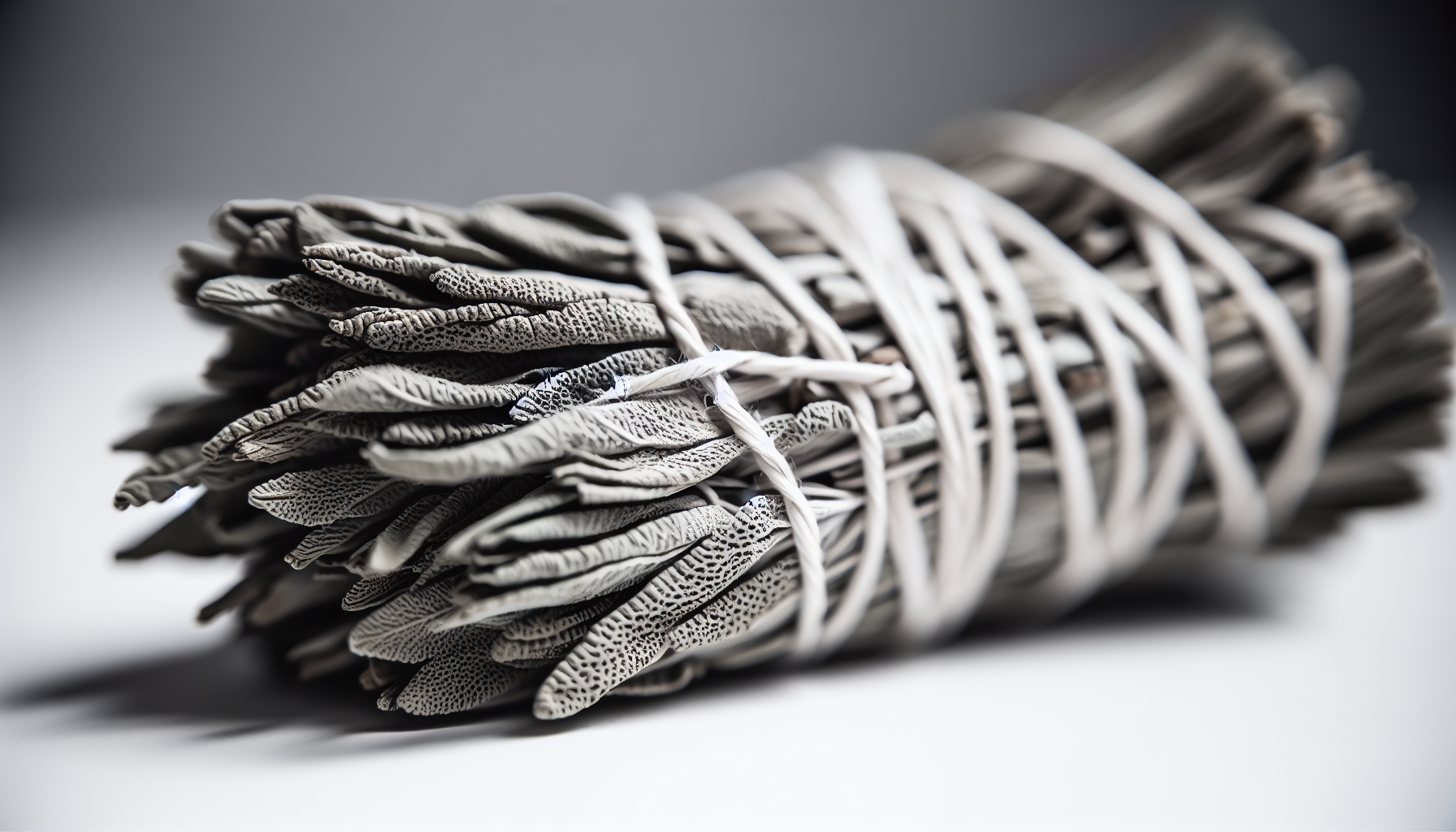
The ancient practice of sage smoking isn’t just steeped in tradition; it also comes with a host of potential benefits. Sage smoking has been associated with improved cognitive functioning, such as enhanced memory capacity, focus, concentration, and calmness. Some research even suggests that it may have protective benefits against neurodegenerative diseases like Alzheimer’s.
But the benefits don’t stop there. Compounds in white sage activate receptors in the brain responsible for elevating mood levels, reducing stress, and potentially alleviating pain. This may explain why sage has been traditionally used for treating anxiety, depression, and mood disorders. Furthermore, awareness of white sage’s potential in easing insomnia and improving sleep quality has brought it to the forefront of natural remedies for enhancing overall well-being and reducing stress.
What about the physical benefits? Well, several proponents believe that burning sage can neutralize allergens like pet dander, pollution, dust, and mold. This belief, coupled with sage’s antimicrobial, antibacterial, and anti-inflammatory properties, contributes to its perceived respiratory benefits.
Sage’s health benefits are further boosted by the presence of phenolic compounds with antioxidant effects, along with neuroprotective compounds such as linalool. These could reduce oxidative stress and provide an array of anti-inflammatory benefits. All these potential benefits make sage smoking a truly holistic practice, touching upon various aspects of physical and mental health.
Risks and Precautions
Like any practice, sage smoking requires a mindful approach, armed with adequate knowledge and precaution. Certain groups, such as pregnant women and children, should exercise particular caution when it comes to sage smoking. Pregnant women should consult healthcare providers before smoking sage due to potential risks to the fetus, and children’s exposure should be minimized.
Even for the general population, sage smoking is not without potential risks. Inhaling sage smoke can cause:
- Lung problems
- Allergies
- Respiratory irritation
- Lung damage
- Exposure to toxins and carcinogens
It’s particularly risky for individuals with pre-existing respiratory issues. Long-term sage smoke inhalation can pose a risk of inflammation and hospitalization.
Given these risks, adopting safe and responsible sage smoking practices is of utmost importance. These include moderation and medical guidance, avoiding direct inhalation, and awareness of the lack of extensive scientific evidence on its benefits. It’s always better to err on the side of caution when it comes to health-related practices.
Varieties of Sage for Smoking
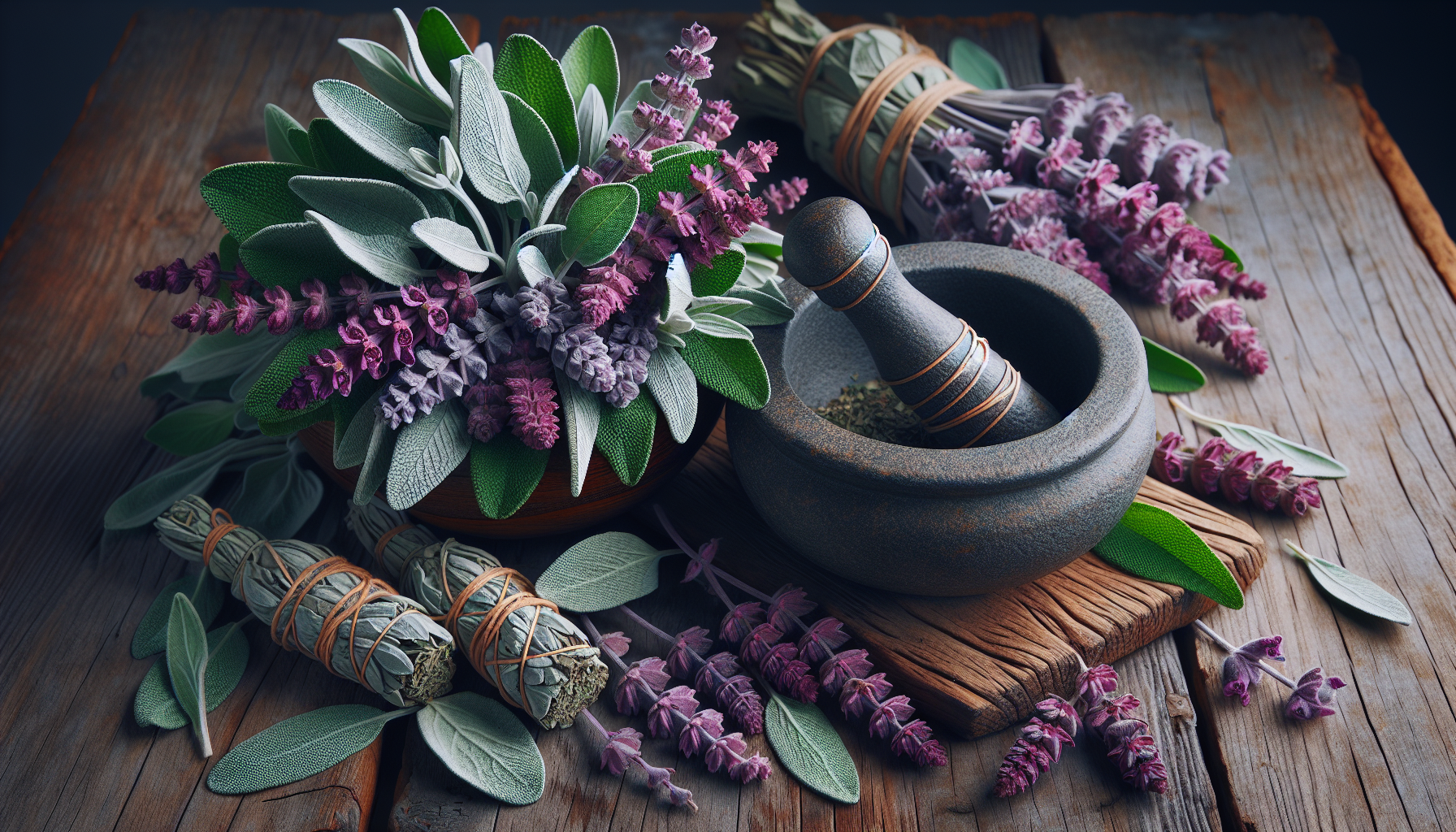
Sage is not a one-size-fits-all kind of herb. There are several varieties, each with its unique properties and benefits. The primary types of sage used for smoking are common sage and Spanish sage.
White sage, a common type for smoking, contains thujone, which is mildly psychoactive. This property of thujone is used in rituals to enhance intuition and spiritual connection, and it’s one of the reasons why people smoke sage.
On the other hand, Spanish sage, native to Europe and found abundantly in Spain and Southern France, is suitable for smoking due to its low stem content and a light structure that provides a subtle flavor when inhaled.
Spanish sage is not just limited to smoking, though. Its robust aroma, with notes of mint, pepper, and citrus, enriches a variety of dishes. Despite its culinary uses, Spanish sage maintains its suitability for smoking and smudging due to its fragrant compounds. In addition to these, the medicinal and culinary uses of Spanish sage make it a versatile herb.
Whether you’re seeking a deeper spiritual connection or a unique aromatic experience, choosing the right variety of sage is the first step in your sage smoking journey.
Techniques for Sage Smoking
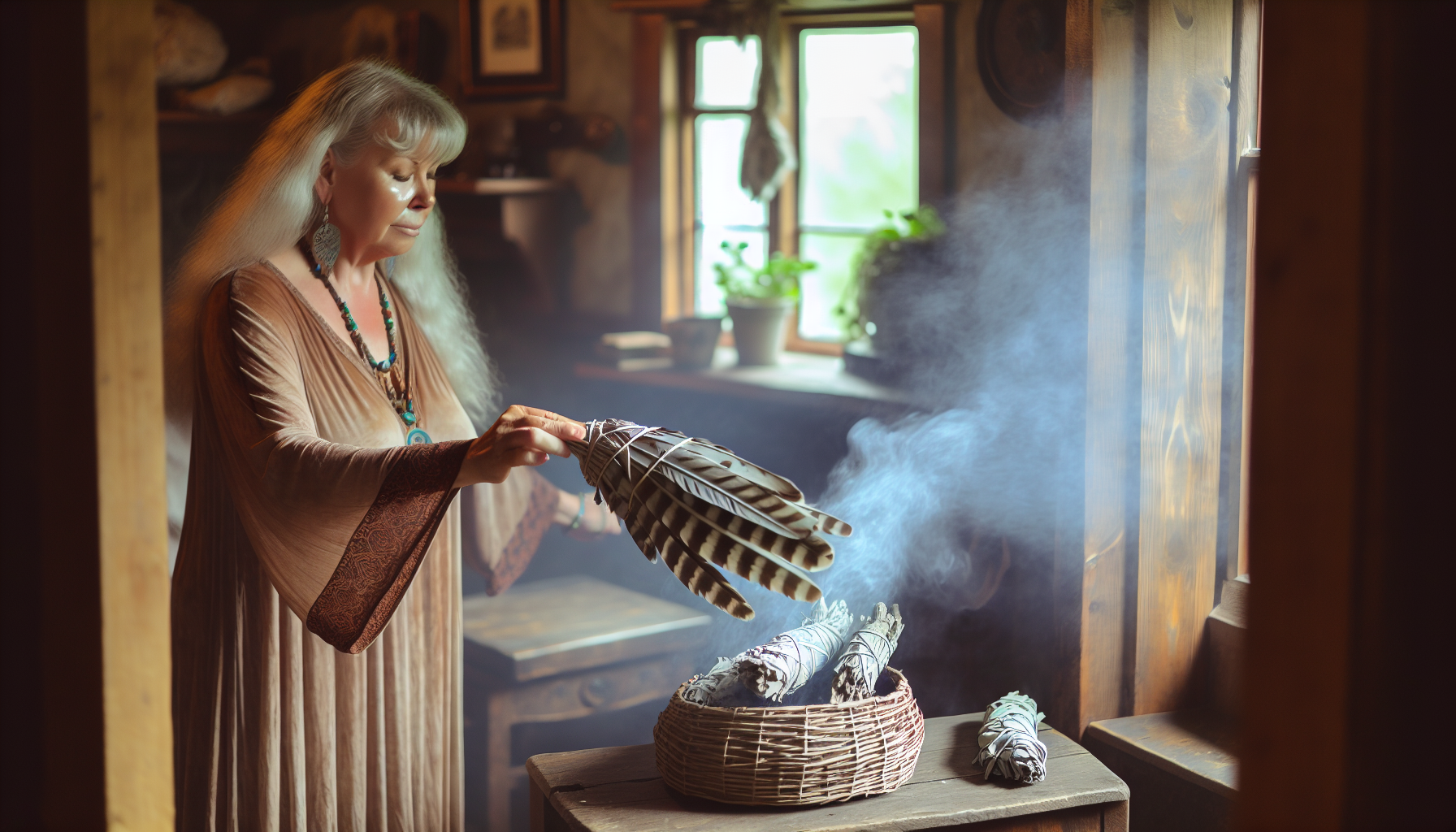
Sage smoking is an artistic blend of tradition, technique, and personal preference. Traditional burning of sage often includes it alongside tobacco, sweetgrass, and cedar, creating a more complex and culturally rich experience. For those seeking a unique aromatic experience, sage can be blended with other smokable herbs, such as Mullein and Lemon Balm, providing a range of flavors and aromatic experiences in herbal smoking blends. Incorporating smoking herbs like a sage bundle into your practice can enhance the overall experience, while enjoying a cup of sage tea can complement the soothing ambiance.
The burning process itself is an essential part of sage smoking. For a consistent burn, sage should be lighted in a flameproof bowl, the flame blown out to allow it to smolder, and if necessary, the embers can be stoked by gentle blowing or adjusting the wrap for better airflow. Safety is paramount, and using an abalone shell or a fireproof bowl to catch embers and ashes can ensure this.
Sage smoking doesn’t end with just the burning. The practice of smoke cleansing involves directing the smoke through the space with attention to stagnant areas like corners and closets, using tools like feathers for wafting the smoke. And of course, to complete the sage smoking ritual, embers should be fully extinguished in a fireproof vessel with dirt or sand for safety.
The intention fueling the ritual holds significant weight in sage smoking. Starting the sage smoking process with a clear intention aids in focusing the energy of the cleansing or healing ritual. After the sage cleansing, bringing in positive energy through music, chanting, or rose water can help seal the purified space. Sage smoking is as much a spiritual practice as it is a physical one, and it’s this balance that makes it so unique.
Comparing Sage to Other Smokable Herbs
In the world of smokable herbs, sage holds a distinct place as a popular smokable herb. Unlike many other herbs, sage does not contain THC and does not produce euphoric or psychoactive effects when smoked. It offers a soothing and subtle peppery and citrus flavor, providing a unique and non-mind-altering smoking experience.
As a nicotine-free herb, sage presents a non-addictive option for those who wish to avoid the addictive properties of tobacco. This makes sage an excellent choice for those looking for a natural, non-addictive smoking experience or even an herbal tea or herbal teas option.
Nonetheless, while sage provides a novel smoking experience, it should not be seen as a medical treatment substitute or a panacea. Like any herb, responsible sage use is imperative, and it should be seen as an element of a balanced lifestyle rather than a cure for health issues.
Sage’s Therapeutic and Terpene Profile
What makes sage such a potent and beneficial herb? The answer lies in its therapeutic and terpene profile. Sage contains a range of terpenes including:
- pinene
- camphene
- limonene
- terpinolene
- humulene
These terpenes contribute to both the distinctive aroma of white sage and its potential therapeutic benefits.
One of the primary terpenes found in sage, pinene, has been associated with the ability to enhance alertness and improve memory retention. Caryophyllene offers anti-inflammatory benefits, while humulene boasts antibacterial properties and can aid in appetite suppression.
These compounds not only contribute to the unique aroma and flavor of sage but also play a significant role in its potential health benefits. The terpene profile of sage is a testament to its potency as a medicinal herb, reinforcing its status as a powerful addition to holistic health practices.
Responsible Sage Smoking Practices

Though sage smoking can present numerous potential benefits, responsible engagement in this practice is vital. Responsible sage smoking practices should ensure that vulnerable populations such as pregnant women and children are not exposed to high concentrations of smoke.
Safety precautions should include:
- Keeping the sage away from flammable materials
- Ensuring proper ventilation
- Staying present to extinguish any fallen embers
- Pressing a smudge stick into a fireproof vessel, dirt, or sand to extinguish it safely
For individuals advised against inhaling sage smoke, using sage essential oil can be a safer alternative practice.
Honoring the cultural significance of sage smoking is another critical aspect of responsible practice. This includes approaching it with intention, reverence, and gratitude, and supporting Indigenous companies that supply sage.
Lastly, responsible sage smoking practices encompass doing proper research before purchasing to ensure that sage is sustainably harvested and prepared for smudging. By practicing responsible sage smoking, not only do we honor the sacredness of this herb, but we also contribute to the preservation of the cultural practices and traditions surrounding it.
Mixing Sage with Cannabis or Hemp
While sage can be smoked on its own, it can also be mixed with other herbs for a unique experience. The co-mixing of sage with cannabis or hemp can amplify the overall effects and benefits of smoking these herbs, delivering a calming effect, smoother flavor, and a more comprehensive experience.
The addition of sage to cannabis or hemp can make the smoke smoother and less harsh, potentially improving the overall enjoyment and reducing unwanted side effects. However, it’s crucial to use high-quality, food-grade, organically grown herbs to avoid contaminants and ensure a safe experience.
When it comes to the ratio of herbs, starting with small amounts, such as a 2:1 or 3:1 ratio of cannabis or hemp to sage, can help determine personal preference for taste and effects. Experimenting with different blends can lead to a personalized and enjoyable smoking experience.
Summary
From its historical and cultural significance to its potential health benefits and unique properties, sage is more than just a culinary herb. As we’ve explored, sage smoking is a practice steeped in tradition, offering a unique sensory experience and a host of potential benefits. However, it’s crucial to approach sage smoking with proper knowledge, respect, and responsibility, honoring its cultural roots and engaging in safe practices. Whether you’re seeking a deeper spiritual connection, a natural health remedy, or a unique aromatic experience, sage smoking opens up a world of possibilities.
Frequently Asked Questions
What does smoking sage do to your body?
Smoking sage can potentially have antimicrobial, antibacterial, and anti-inflammatory properties, as well as improve mood and cognition, repel insects, and help with sleep quality. There is also some evidence suggesting it could improve memory and focus, with promising cognitive-enhancing benefits.
What herbs can you smoke?
You can smoke herbs such as calendula, damiana, lavender, marshmallow root, mugwort, mullein, and peppermint after buying them from a trusted herbalist. Keep in mind the health risks associated with smoking.
What is the sage plant you can smoke?
You can smoke white sage or Salvia divinorum, also known as seer’s sage, to experience its psychoactive properties and mood-enhancing effects. White sage provides a relaxing experience, while Salvia divinorum has transient psychoactive properties (and is often loosely translated as “diviner’s sage” or “seer’s sage”).
Is smoke from sage harmful?
Yes, inhaling sage smoke can cause lung problems and allergies, so it’s best to avoid it, especially if you have asthma or lung issues. Always consult a doctor before burning sage, especially if you have respiratory concerns.
What are the potential benefits of sage smoking?
Sage smoking can potentially improve cognitive functioning, elevate mood, reduce stress, and provide respiratory benefits, thanks to its antimicrobial, antibacterial, and anti-inflammatory properties. So it could be worth giving it a try!
